
GovState's Family Development Center - Seeds to Sustenance (S2S) Program
Seeds to Sustenance (S2S) is a STEM Nutrition program that connects children, staff, and families to the full cycle of food- from seed to table and back to the earth again. S2S nurtures a love of learning, a sense of stewardship, and greater access to fresh, wholesome food for the families we serve.
Rooted in sustainable soil-based and hydroponic growing systems, the program brings together many dynamic learning environments designed to teach and inspire sustainable growing practices. Together, these components create a seamless, year-round journey where children don’t just learn about nature, land, and food- they realize they are an important part of protecting and preserving it for future generations
Seeds to Sustenance STEM Nutrition Program Descriptions
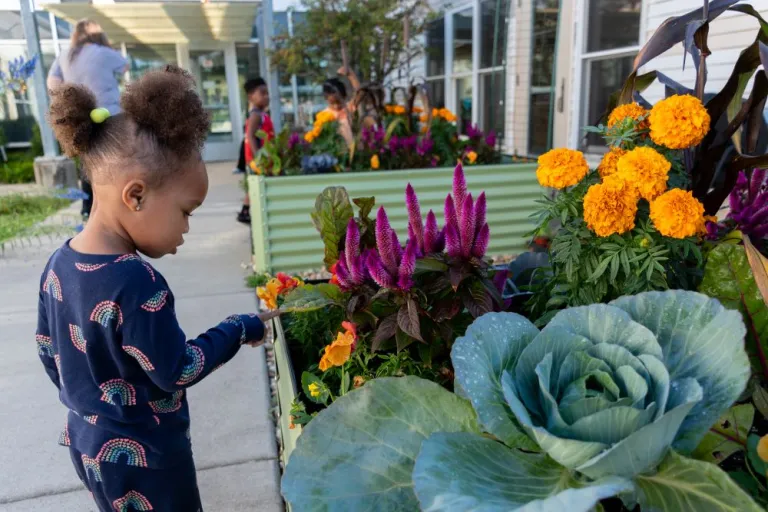
Jr. Jaguar Children's Garden (JJCG)
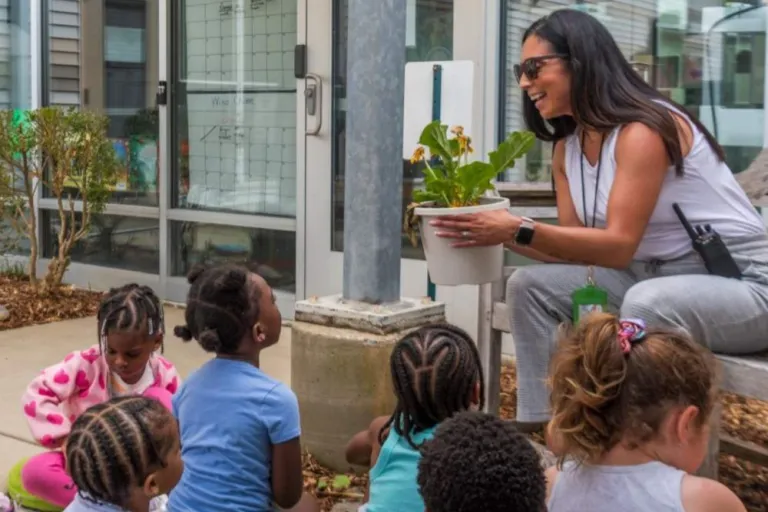
Outdoor garden where children plant, tend, and harvest seasonal vegetables, herbs, and native plants alongside staff and our S2S Life-Lab Certified Garden Educator.
Three Sisters Garden
A traditional Indigenous companion planting of heirloom corn, beans, and squash grown together so each plant supports the others: corn gives the beans a stalk to climb, beans return nitrogen to the soil, and squash shades the ground to hold moisture and slow weeds. Sweetgrass and cedar, held sacred in many Indigenous cultures, grow alongside them. Children learn the science and stewardship of a food system refined over generations.
Hydroponics Grow Lab
Indoor hydroponic system growing lettuce, herbs, bok choy, and tomatoes year-round. Produce is harvested for classroom lunches and family giveaways. Families observe the commercial growing unit daily in the main hallway. Smaller units are available for the classrooms.
Worm Lab
An indoor vermicomposting system where children contribute food scraps and learn about decomposition, soil health, and the food cycle. Compost is returned to the garden beds. Two outdoor systems are located in the JJCG.
Pollinator Patch
Native plantings support local pollinators. Native seedlings, such as milkweed and other pollinator plants, are grown and given away to families, extending the program's environmental impact into the community.
Jr. Jaguar Farm Stand
Seasonal produce stand where harvested fruits and vegetables are made available to families at pickup and drop-off, normalizing access to fresh food as part of the program day.
Seed Lending Library
Families "borrow" seed packets to grow food at home, returning seeds at season's end when possible. This program supports food sovereignty, home gardening, and intergenerational learning.
Harvest Food Pantry
On-site food pantry offering shelf-stable and donated items to enrolled families.
The Hatchery
Each spring, The Hatchery invites children to witness the wonder of new life as they care for fertilized eggs through incubation and watch chicks hatch - many of which go home with families or to a local farm.
Seeds to Sustenance Program Accomplishments

Lbs. Produce
2026: 136
Total: 1,397

Farmstand Visits
2026: 82
Total: 101

Curriculum Sessions
2026: 39
Total: 39

Pantry Items Donated
2026: 207
Total: 839

Volunteer Hours
2026: 197
Total: 197