
Center for Teaching and Learning
Professional Learning Communities
Professional Learning Communities (PLCs) offer a sustainable and organic mechanism for institutions to adapt, innovate, and continuously refine their approaches to meeting the complex challenges of contemporary higher education.
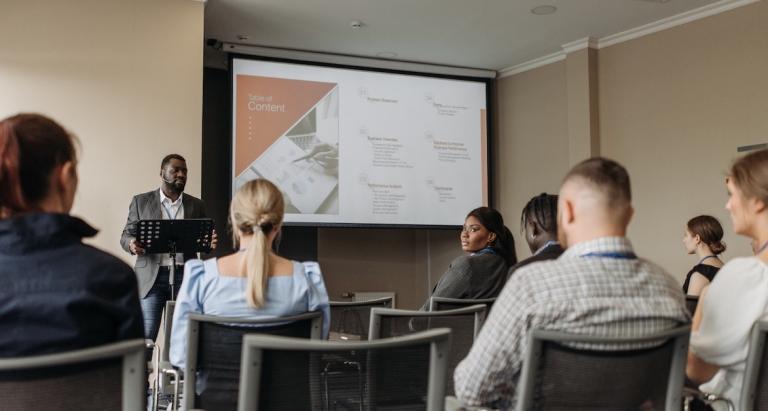
Exploring Professional Learning Communities in Higher Education
Since 1997, educational institutions have employed Professional Learning Communities (PLCs) to foster small collaborative groups centered on student growth, continuous professional development, data collection and analysis, and innovative learning.
A common misconception is that PLCs consist solely of instructors from the same department. In practice, PLCs are composed of faculty, administrators, and staff who collaborate to share insights, methods, and data-driven decisions to support adaptable instruction that meets the needs of today’s students.
Through regular PLC meetings (usually once a week), members come together to share ideas and engage in data-driven conversations that help facilitate evidence-based enhancements to teaching and learning.
Growth can be seen through:
• Encouragement and engagement in continuous professional development
• Administrative support for innovation and technology
• Cross-curricular discussions and departmental alignment
Articles:
- Emergent Professional Learning Communities in Higher Education: Integrating Faculty Development, Educational Innovation, and Organizational Change at a Canadian College
- 4 Benefits of an Active Professional Learning Community
- Professional Learning Community In Education: Literature Review
Contact Us
- Center for Teaching and Learning
- Governors State University - C Building
- 708-534-4115
- blackboard@govst.edu