
Emergency Management
Emergency Management Resources
Emergency Phone Numbers
| Campus Security | 911 |
| Fire Emergency | 911 |
| GovState Police Department | 708.534.4900 |
| GovState Safety Escort | 708.534.4900 |
| Dept. of Public Safety | 708.534.4900 or 911 |
| Prairie Place Reception Desk | 708.235.7115 |
| GovState Counseling Center | 708.235.7334 |
| Report Power Outage | 708.534.4515 |
| University Park Police Department | 708.534.0913 |
| University Park Fire Department | 708.235.4833 |
| Poison Control | 800.222.1212 |
| GovState Alerts | Click here to view the GovState Alerts Page |
| Emergency Management Agencies Below are listing of emergency management agencies for your reference during an emergency: | - Federal Emergency Management Agency (FEMA) - Illinois Emergency Management Agency (IEMA) - Will County Emergency Management Agency (WCEMA) |
Governors State University's Emergency Management plan outlines strategies to protect the life safety of University students, faculty, and staff, and to preserve University property and assets in the event of an emergency. The Emergency Management website is a resource the University community can use to receive information on how to prepare for emergencies and how to protect themselves from the effects of an emergency.
GovState Alerts
GovState Alerts are activated through Regroup, the University's electronic emergency mass notification system, which enables University officials to provide notification and informational updates to members of the University community prior to, during, or after an emergency. Regroup sends messages instantaneously through various mechanisms including cellular and landline phones, email, social media, and more.
Is Your Contact Information Current?
GovState Alerts will be used only to contact you in case of an emergency, a University closing, or some other event that requires rapid, wide-scale notification of the community.
For Students
To update your contact information, please complete the Change of Student Information form and return it to the Registrar's office:
You can update your emergency contact information in the myGSU portal. The information provided is stored directly in our database and will be used only in case of emergency. Click here for a tutorial on how to update your emergency contact information. The process takes less than 10 minutes.
For Faculty and Staff
Update your contact information by sending an email to Human Resources with a subject line that reads "Update My Contacts."
To update your emergency contact information, go to the myGSU portal. Under Online Services, select "Employees," then select "Employee Profile" and "Emergency Information." You will be able to add and/or edit your contacts. After you enter the information, click "Add Contact." After editing or changing your emergency contact information, choose "Confirm" to save your changes. A confirmation notification message will appear on the top right of your screen to confirm your edits. Click here for a tutorial.
How to Report an Incident
If an incident has occurred that requires police notification, you can submit a report or call 708.534.4900. If this is an emergency that may threaten the community, contact Campus Safety immediately.
If you want to report a Red Flag threat which is to report behavior that may be potentially disruptive to the safety and well-being of the GovState Community CLICK HERE.
Counseling
If you need counseling services you can contact the GovState Counseling Center at 708.235.7334 or email them at studentcounseling@govst.edu.
References
The Campus Emergency Operations Plan (CEOP) outlines and describes Governors State University's approaches to emergency planning and operations. The CEOP has been developed to help Governors State University protect faculty, staff, students and visitors during an emergency/disaster situation. This plan takes an all-hazard approach to emergency management and plans for mitigation/prevention, preparedness, response, and recovery.
Emergency Management Team
The Emergency Response Team (ERT) is comprised of a cross-functional team of dedicated professionals aspiring to deliver a superior experience safe and environment for our students, colleagues, and communities. In the event of a campus emergency, the ERT works with Campus Safety and outside organizations to ensure that GSU remains a safe campus for everyone to learn, live, and work.
What We Do
- Coordinate development of emergency action plans and continuity of operations plans
- Ensure compliance with the National Incident Management System and other regulations
- Conduct and participate in training to refine emergency decision-making processes
- Offer workshops and training sessions
- Develop important internal and external partnerships within the GSU community and coordinate with outside agencies across the county and state
Emergency Volunteer Corp
The Emergency Volunteer Corp (EVC) are GSU staff who take on this role as an extra duty in addition to their regular jobs. Most work in the building they represent and are familiar with the day-to-day activities that take place in their area. Their job is to work with the Campus Safety and ERT to ensure a unified and coordinated response to during an emergency
In case of emergency, the University's Alert System will be activated. Students are encouraged to maintain updated contact information using the link on the homepage of the myGSU portal. In addition, students are encouraged to familiarize themselves with the Emergency Procedures posted in each classroom. Detailed information about the University's emergency management plan, information about how to update your contact information, and the Campus Safety Booklet can be found on this webpage. Click the link below to download a PDF of this statement:
GovState Campus Alerts
Are you connected?
In the event of a campus emergency, GovState will send you an email, or text message, and send us a message on our social media pages, and the university's website. To make sure you're connected, make sure we have your most current contact information.
For Students
If you are a student: update your emergency contact information in the myGSU portal. The information provided is stored directly in our database and will be used only in case of emergency.
The only GovState staff who will have access to this information are GovState's first responders.
Click here for a tutorial on how to update your emergency contact information. The process takes less than 10 minutes.
For Faculty and Staff
If you are a faculty or staff member: Go to myGSU portal to update your emergency contacts. Under Online Services, select "Employees". Then select "Employee Profile" and "Emergency Information". You will be able to add and/or edit your contacts. After you enter the information, click "Add Contact". After editing or changing your emergency contact information, choose "Confirm" to save your changes. A confirmation Notification message will appear on the top right of your screen to confirm your edits. Click here for a tutorial.
Click on the links below to download any of the GovState Emergency Preparedness Checklist:
IMPORTANT: Is Your Contact Information Up to Date?
With upcoming weather changes, we ask that you please take a moment to make sure we can reach you, or your emergency contact in case of emergency, if there is a university closing or some other event that requires rapid, wide-scale notification of the community.
For Students
To update your personal contact information, please complete the Change of Student Information form and return it to the Registrar's office:
You can update your emergency contact information in the myGSU portal. The information provided is stored directly in our database and will be used only in case of emergency. Click here for a tutorial on how to update your emergency contact information. The process takes less than 10 minutes.
For Faculty and Staff
Update your contact information by sending an email to Human Resources with a subject line that reads "Update My Contacts."
To update your emergency contact information, go to the myGSU portal. Under Online Services, select "Employees," then select "Employee Profile" and "Emergency Information." You will be able to add and/or edit your contacts. After you enter the information, click "Add Contact." After editing or changing your emergency contact information, choose "Confirm" to save your changes. A confirmation notification message will appear on the top right of your screen to confirm your edits. Click here for a tutorial.
Tornado and Severe Weather Shelter Locations
Greatest Danger
Tornados produce violent winds, sometimes in excess of 250 miles per hour that can cause major property damage and loss of life. The greatest danger posed by tornados is flying debris, though tornados can damage or completely destroy building structures.
Peak Season
The peak season for tornados in Illinois is April thru June, though a tornado can occur any time of the year.
Best Protection
The best protection is offered inside a sturdy building on the lowest floor and away from windows. The objective is to place as many barriers as possible between yourself and the outdoor environment. When access to a lower floor is impractical, well-constructed interior spaces on upper floors also offer isolation and protection. All buildings on campus have specific shelter areas designated.
Use Interior Stairways, Avoid Elevators
Use interior stairways, when possible, to reach shelter areas. Do not use exit-only stairways that can prevent re-entry into the building. Elevators that could trap occupants in the event of a power failure, which often precedes a tornado, should generally be avoided. If no other options exist, elevators can be used to transport individuals with mobility impairments or physical disabilities and their escorts to tornado shelters.
Help Persons with Disabilities
Persons with visual, hearing, or other disabilities may be escorted down the stairs to tornado shelters but may require assistance in moving in crowded staircases and in finding the tornado shelter. Faculty and staff should assist individuals with disabilities as needed. If unable to descend to lower floors, seek an interior space away from windows and exterior walls.
Tornado and Severe Weather Notification
- Notification of tornado warnings is issued to all University Park campus buildings by the GovState Department of Public Safety (DPS.) Depending on the location, live or recorded voice messages will be conveyed via the campus phone system speakers, hallway speakers, or the fire alarm public address system.
- Individuals should remain in the Tornado Shelters until an official ‘all clear’ message is given by DPS.
- If outdoors, be alert for changing weather conditions and be prepared to move indoors using the nearest building entrance. If caught outdoors away from buildings, and threat is imminent, find the lowest available spot that is away from trees. Lie flat and protect your head with hands or an object.
- Tornado sirens can be heard outdoors but not inside most buildings. Be sure to enable Wireless Emergency Alerts on your cell phone as an additional means of severe weather notification while outdoors, and/or carry a portable NOAA All Hazards Weather radio.
Tornado and Severe Weather Shelter Areas on Campus
- Listed below are recommended locations inside the building that offer the greatest protection in the event of a tornado strike or extreme severe weather event.
- The building headings show where people should shelter if they are currently occupying that building.
- For example, if you are in the Cafeteria, the best and closest shelter is in Engbretson Hall.
- Refer to the bullet points for location-specific areas of shelter and notes on areas to avoid.
- First floor corridor between Gymnasium and Women’s Locker Room entrance
- Inside Locker Rooms
- Food Pantry (A1115)
- Health & Student Counseling Center (A1120) Limited Access
- Second floor Restrooms
- A2150 Meditation & Prayer Room
- ALTERNATES - Fitness, and Racquetball rooms, Second floor Restrooms
- AVOID!– Gymnasium and Pool, A2140 Student Lounge
- First floor Restrooms
- Engbretson Hall (B1230) (also used for D Wing)
- Classrooms (away from door) B1241 and B1240
- Rehearsal Hall/Green Rooms and Dressing Rooms back corridor and Dressing Rooms (if accessible)
- ALTERNATES - Second Floor Restrooms, B2201, B2202
- AVOID!– Main Corridors
- C Wing first floor Restrooms, C1300STR1-Registrar’s Storage Room, DPS Locker Room
- Interior corridors between C1329 and Elevator away from interior glass walls
- Second floor C Wing Library Restrooms and adjacent storage rooms in Library, second floor Restrooms near C Elevator, room C2302, third floor Restrooms, Rooms C3330, C3331 and adjacent corridor outside
- AVOID!– Financial Services & Comptroller’s Office (C1333), Open area of Library, offices with exterior-facing walls
- If the number of total patrons plus performers is less than 500, and there is advance notice of approaching tornado,
- move to the Rehearsal Hall/Green Room in addition to Aisle 1 and Aisle 4. The adjacent makeup and dressing rooms may also be made available by CPA staff.
- Priority is given first to persons with disabilities and then to people on the balcony level.
- Close all doors when everyone has been moved to shelter areas.
- Wait until the all-clear signal is given by DPS.
- If the number of total patrons plus performers is greater than 500 and the balcony (upper level) seating area is occupied, balcony patrons must be evacuated first with priority given to persons with disabilities.
- For Orchestra and Mezzanine areas, patrons are to shelter-in-place and
- performers are to move to the Rehearsal Hall/Green Room.
- Patrons are to remain seated. When the danger is imminent or occurring, patrons shall lean forward and get as low as possible and move hands to the back of the neck and head for protection.
- Close all doors when everyone has been moved to shelter areas.
- Wait until the all-clear signal is given by DPS.
- Center For Performing Arts Restrooms
- AVOID!– First & Second Floor Lobbies
Note: There is limited tornado shelter space on the first floor D Wing due to the presence of skylights, atriums and large expanses of exterior-facing glass curtain walls. Adjacent B Wing building spaces provide available shelter.
- Engbretson Hall (B1230)
- B1215 – Student Success Commons and Academic Resource Center Offices.
- Digital Learning Corridor - In from glass double doors down to room D1440
- Digital Learning area Restrooms
- Storage Room in Cafeteria (door between banks of vending machines)
- Offices in Main Entrance area in the range of D1404 to D1423 as shown on map
- Second floor Men’s and Women’s Restrooms in Library, The CUBE rooms D2401B, D2401C, D2430F, D2430G, and D2430P.
- Third floor Men’s and Women’s restrooms, Rooms D34110, D34165, D34190, corridor right of D34160, and Back of Corridor Between D34090 and D34093.
AVOID - Hall of Governors, Main Front Entry Atrium area, Cafeteria, Lakeside Lounge D1489, and Skylight Area of Library and Third Floor “D.”
Note: Close doors on both ends of bridge to “G” to minimize glass debris intrusion into “E.” Discourage persons from using the bridge.
- Men’s and Women’s first floor Restrooms
- First Floor sloping corridor near Men’s’ Restroom by Elevator (see map.)
- E1530 Sherman Hall. Shelter-in-Place if already inside room. Close all doors and ensure that exit
- door directly to outdoors is closed tight and latched.
- Second floor Men’s and Women’s Restrooms,
- Second floor corridor from near room E2503 entrance to room E2569 entrance
- Second floor corridor between E2521 and E2531 E2526.
- Rooms E2510, E2535, E2538.
AVOID - Sculpture and Ceramics Studios (E1525-E1527), Music Recital Hall, E Lounge Area (from glass double doors near E1565 thru all areas north, Area from E1565 east to F, and the Glass Bridge to “G.”
Note: Science labs in this area require special care be taken if a tornado warning is issued. Students and staff should extinguish burners and make every effort to ensure that all systems and processes are secure and stable before exiting the premises.
- Men’s and Women’s first floor Restrooms
- F1401 CDIS Lab
- F1405 Office Suite Interior corridor
- Corridor immediately inside double door entrance to Anatomy Lab
- F1622 Lecture Hall. Shelter-in-Place if already inside room. Close all doors and ensure that exit door directly to outdoors is closed tight and latched.
- Second floor Men’s and Women’s Restrooms
- Rooms F2703, F2705, and F2441, F2442, F2443, F2445
- Corridor Between F2401 and F2431, Rooms F2430, F2407, F2411, and F2415
AVOID! First Floor Corridor between Rooms F1202 and F1216 with windows facing Lake.
Second Floor Corridor between rooms E2590 and F2222 with windows facing lake.
Open corridors near F Entrance.
Room F1300 suite. Rooms F1232, F1630, and F1632.
Second floor Bridge from “F” to “G.”
Areas with either Hazardous Materials, High Pressure Cylinders, or Explosive Gasses.
Note: The G Wing building envelope consists of continuous glass curtain walls along the length of the building on both north and south facing elevations. In the event of a tornado, faculty and staff should close all office doors to minimize the entry of debris into the corridors. Move immediately to the areas listed below.
- Basement
- Concrete stairwells on each end of building (east and west).
- Room G230 (For persons with Disabilities or Accessibility Issues.)
- Restrooms on first, second, and third floor.
- AVOID - Open Atrium area in center of building. The three glass bridges to “D,” “E,” and “F.”
- BFS Basement.Stay at least 15 feet away from furnace, water heater.
- Multipurpose Room (155), Servery (172), and Reading Center (175). Move infants and toddlers using cribs or strollers to Multipurpose Room and Servery. Assist other children. Take roll call/attendance to make sure everyone in building is accounted for. Stay under tables in center of room away from windows. Windows in these areas are treated with special film to resist glass breakage and penetration by flying debris.
- AVOID: The Greenhouses in the FDC could be damaged by large hail or straight-line winds which accompany severe thunderstorms, and thus should be evacuated during Severe Thunderstorm Warnings in addition to Tornado Warnings.
- GMT basement (Note: All GSU employees with offices in GMT Building have swipe card access that allows entry to secured basement door.) Stay at least 15 feet away from boiler.
- Grants Office Basement. Stay at least 15 feet away from furnace, water heater.
- Take cover immediately on the first floor corridors of the building. If corridors are at capacity, residents in first floor apartments can alternately shelter in their restrooms, provided door is closed tight. Also keep all apartment doors and exit doors shut. If possible, residents should take shoes and blankets with them to shelter areas. The GSU Department of Public Safety will issue an “all clear” message when the danger has passed and it is safe to exit the shelter areas.
- If there is strong enough wind, which could break glass in stairwells, students must return to the closest corridor (inside walls, away from glass) and protect themselves from flying debris.
- Restrooms, Workroom (104)
- Alternate – Hantack House Basement (requires swipe-card access) Provided there is advance notice.
- Use the men's and women's restrooms and room directly across the corridor.
- Move to the Men’s and Women’s Restrooms in the employee breakroom area.
- Relocate to the Facilities Service Building (FSB) designated shelter area.
- If FSB is unavailable and time permits, relocate to Main Building (A thru F.) If after hours use the “C” west entrance near DPS and use the emergency phone to summons DPS to open the door.
- If a tornado is imminent or occurring, as a last resort, you can get into a vehicle with the seat belt on. Put your head down below the windows, covering it with your hands and a blanket if possible.
Weather Advisories
Current Watches, Warnings and Advisories Issued by the National Weather Service
Weather Closures and Delays at GovState
Current Watches, Warnings, and Advisories Issued by the National Weather Service. If there is a weather alert, check for school closings at the Emergency Closing Center website.
On rare occasions, severe weather can lead to campus closure, a delayed start, or a suspension of classes for all or part of the day. The university will remain open, and classes will be held when it is feasible to do so. University closure will be declared when weather conditions are such that it would be very unsafe for students or employees to attempt to go to work or class. Only weather-essential personnel will be required to report to work.
Faculty and instructors are expected to follow the announced schedule and to conduct classes when the University Park campus is open. Faculty and students attending classes at off-campus sites should follow weather-related announcements associated with that specific site.
Please note that when the campus is closed preventing a class from meeting at its scheduled time, professors may opt to conduct classes or provide assignments online. Students should plan to check Blackboard and their email regularly on such days to learn of any alternate arrangements.
Communication
The university communicates information about cancellation of classes or campus closure through the following channels:
- Post a message on the front page of the university's website: www.govst.edu;
- Notify the Emergency Closing Center www.emergencyclosingcenter.com; and
- Send an email to your GovState email account and a text message to the phone number that you have on file with the university. When applicable, call the phone number that you have on file with the university.
- Unless it is an emergency, please do not call the Department of Public Safety simply for closure information as personnel are deployed to address campus public safety issues and weather-related emergencies.
FAQ'S
The administration aims to decide by 5:00 a.m. for overnight storms. On rare occasions, some circumstances push the decision to a later time.
During daytime storms or emergencies, safety officials keep tabs on conditions throughout the day and continually assess conditions. If conditions deteriorate to merit a closure discussion, a conference call is scheduled as soon as possible to discuss an early closure or other options.
When on-campus evening classes are canceled, an announcement of this decision will normally be made by 3:00 p.m. and all classes starting at or after 4:30 p.m. will normally be affected.
Employees and students who do not live on campus are asked to leave campus once it is closed. This allows facilities crews to more readily clear snow from parking lots and roadways as it accumulates. Some employees are required to report to campus even if the university is closed; otherwise, employees are encouraged to stay home.
The decision to re-open the campus will be made by the Emergency Response Team chair with information provided by the Department of Public Safety (DPS) and Facilities Development & Management (FDM), based on weather and road conditions. If the campus is currently closed and weather conditions improve during evening hours, a decision to reopen the next day may be made that evening, or before 5:00 a.m. the next day, depending upon the weather forecast and available information.
The Office of the Registrar may disclose information to parents with the student's written consent. This would entail completing a form authorizing the Office of the Registrar to disclose copies of scholastic and other records to his or her parent.
- If you are a student, it is your responsibility to communicate with your professors and instructors regarding class attendance and assignments.
- If you are an employee, it is your responsibility to make timely accommodations with your supervisor. Employees who cannot safely travel to work during adverse weather and who are not authorized to work from home or who cannot work from home should use annual leave or leave without pay if annual leave is not available.
FDM strives to remove snow from sidewalks, parking lots, and streets by 7:30 a.m. after an evening or early morning storm when the university is open. If a storm is moving in during operating hours, FDM crews regularly shovel routes during the day. Snow is removed and beet juice and ice melt are applied according to priority routes across campus, including vehicle and pedestrian routes, with a focus first on the most traveled sidewalks and streets. Some routes may be more clear of snow than other routes in the morning hours, particularly if snow falls during business hours and crews are making their rounds. Please use caution when walking and driving to campus, and wear appropriate clothing and shoes.
Areas of concern, including accessibility issues created by snow, should be reported to the Department of Public Safety at (708.534.4900 ) Please do not contact the university grounds crew or other FDM employees directly; they may be away from their phones working to clear the campus of snow.
The administration aims to decide by 5:00 a.m. for overnight storms. On rare occasions, some circumstances push the decision to a later time.
During daytime storms or emergencies, safety officials keep tabs on conditions throughout the day and continually assess conditions. If conditions deteriorate to merit a closure discussion, a conference call is scheduled as soon as possible to discuss an early closure or other options.
When on-campus evening classes are canceled, an announcement of this decision will normally be made by 3:00 p.m. and all classes starting at or after 4:30 p.m. will normally be affected.
Employees and students who do not live on campus are asked to leave campus once it is closed. This allows facilities crews to more readily clear snow from parking lots and roadways as it accumulates. Some employees are required to report to campus even if the university is closed; otherwise, employees are encouraged to stay home.
The decision to re-open the campus will be made by the Emergency Response Team chair with information provided by the Department of Public Safety (DPS) and Facilities Development & Management (FDM), based on weather and road conditions. If the campus is currently closed and weather conditions improve during evening hours, a decision to reopen the next day may be made that evening, or before 5:00 a.m. the next day, depending upon the weather forecast and available information.
The Office of the Registrar may disclose information to parents with the student's written consent. This would entail completing a form authorizing the Office of the Registrar to disclose copies of scholastic and other records to his or her parent.
- If you are a student, it is your responsibility to communicate with your professors and instructors regarding class attendance and assignments.
- If you are an employee, it is your responsibility to make timely accommodations with your supervisor. Employees who cannot safely travel to work during adverse weather and who are not authorized to work from home or who cannot work from home should use annual leave or leave without pay if annual leave is not available.
FDM strives to remove snow from sidewalks, parking lots, and streets by 7:30 a.m. after an evening or early morning storm when the university is open. If a storm is moving in during operating hours, FDM crews regularly shovel routes during the day. Snow is removed and beet juice and ice melt are applied according to priority routes across campus, including vehicle and pedestrian routes, with a focus first on the most traveled sidewalks and streets. Some routes may be more clear of snow than other routes in the morning hours, particularly if snow falls during business hours and crews are making their rounds. Please use caution when walking and driving to campus, and wear appropriate clothing and shoes.
Areas of concern, including accessibility issues created by snow, should be reported to the Department of Public Safety at (708.534.4900 ) Please do not contact the university grounds crew or other FDM employees directly; they may be away from their phones working to clear the campus of snow.
Take Action
This page is dedicated to ensuring student safety by providing clear and concise guidelines for various emergencies. Whether it's handling an active shooter, responding to a bomb threat, or dealing with severe weather, we have you covered. Governors State University's first priority is keeping students safe—get your questions answered by clicking on the dropdowns below:
An active shooter is defined as an armed person who has used deadly force on people and continues to do so while having unrestricted access to additional victims. Active shooter incidents on college campuses are rare, but recent campus shootings demonstrate that faculty, staff, and students should be prepared for any type of emergency. If you witness any armed individual or shooter on campus at any time, immediately call 911.
If the Shooter is Outside the Building
- If it is possible to flee the area safely and avoid danger, do so. Notify anyone you may encounter to exit the area immediately. Evacuate to a safe area away from the danger and take protective cover. Stay there until assistance arrives.
- Dial 911.
- Go to the nearest room, office, or core area of the building, if safe to do so.
- Barricade doors and block windows.
- Turn off all the lights, close blinds, and close and lock all windows and doors.
- Seek a protective cover for yourself and any others (concrete walls, thick desks, and filing cabinets may protect you from bullets).
- Keep occupants calm, quiet, and out of sight.
- Silence cell phones.
- Do not answer the door.
- Place signs in exterior windows to identify the location of injured persons.
- Remain where you are until an "all clear" instruction is given by an authorized known voice.
- If faculty, staff, or students do not recognize the voice that is giving instructions, they should not change their status (stay put). Unknown or unfamiliar voices may be false and designed to give false assurances.
If the Shooter is Inside the Building
- If it is possible to flee the area safely and avoid danger, do so. Notify anyone you may encounter to exit the building immediately. Evacuate to a safe area away from the danger and take protective cover. Stay there until assistance arrives.
- Dial 911.
- If you can't leave, secure yourself in your space.
- Barricade doors and block windows.
- Turn off all the lights, close blinds, and close and lock all windows and doors.
- Seek a protective cover for yourself and any others (concrete walls, thick desks, and filing cabinets may protect you from bullets).
- Silence cell phones.
- Turn off radios and computer monitors.
- Do not answer the door.
- Place signs in exterior windows to identify the location of injured persons.
- Remain where you are until an "all clear" instruction is given by an authorized known voice.
- If faculty, staff, or students do not recognize the voice that is giving instructions, they should not change their status (stay put). Unknown or unfamiliar voices may be false and designed to give false assurances.
If the Shooter Comes in your Class or Classroom
- There is no one procedure the authorities can recommend in this situation.
- Attempt to get the word out to other faculty or staff, and call 911, or call the University Police at 708.534.0913 if that seems practical.
- Use common sense. If hiding or leaving the area is impossible, attempt to negotiate with the individual.
- Attempting to overcome the individual with force is a last resort that should only be initiated in the most extreme circumstances.
- Remember, there may be more than one active shooter.
- In a shooting incident, the University Police are in charge until University Park Police or other law enforcement personnel are on the scene.
- Be careful not to make any changes to the scene of the incident since authorities will investigate the area later.
- In case you must flee, do not go to the normal gathering site for your building. Get as far away from the shooting scene as possible and then contact authorities.
For additional information visit The Department of Homeland Security.
Call 911 immediately. Give all pertinent information and your exact location, including the building wing and room number. Do not hang up until the emergency personnel so directs.
Call 911 immediately. Give all pertinent information and your exact location, including the building wing and room number. Do not hang up until the emergency personnel so directs. Do not clean up spills unless you have been properly trained to do so. If a person is injured, assist as appropriate.
Call 911 immediately. Give all pertinent information and your exact location, including the building wing and room number. Do not hang up until the emergency personnel so directs. If directed to evacuate, follow the Evacuation Guidelines.
Here are links to download the maps and listings of Tornado Shelters within the GovState Campus:
A demonstration should not be disrupted unless one or more of the following conditions exist as a result of the demonstration:
- Interference with normal operations of the university.
- Prevention of access to university facilities.
- Threat of physical harm to people.
- Threat or actual damage to university property.
If there is an immediate threat of bodily harm or damage to property, call 911. Give all pertinent information and your exact location, including the building wing and room number. Do not hang up until the emergency personnel so directs.
During an Earthquake:
- Find shelter under a sturdy desk or table if possible, kneel and cover your head with your arms. Standing in a doorway is another option.
- Stay away from windows, temporary walls, partitions, and free-standing objects such as file cabinets, bookshelves, etc.
- Do not panic or attempt to evacuate.
- Do not attempt to use the elevators.
- The initial shock of an earthquake usually lasts less than a minute.
After the Earthquake:
If you or others are injured and require medical assistance, 911. Give all pertinent information and your exact location, including the building wing and room number. Do not hang up until the emergency personnel so directs. If directed to evacuate, follow the Evacuation Guidelines.
Call 911 immediately. Give all pertinent information and your exact location, including the building wing and room number. Do not hang up until the emergency personnel so directs.
- If it is safe to do so, assess the extent of the damage sustained and/or the injuries involved and provide this information to DPS.
- Alert all personnel in the immediate area, checking for any damage or dangerous conditions.
- Do not use the elevators.
- Evacuate the building following the Evacuation Guidelines.
Activate the nearest fire alarm.
Call 911 immediately. Give all pertinent information and your exact location, including the building wing and room number. Do not hang up until the emergency personnel so directs. Describe the extent of the fire. If the fire is small and you know how to use a fire extinguisher, locate and use the nearest fire extinguisher.
If you cannot extinguish the fire you can:
- Alert all personnel in the area.
- Exit the room or hallway immediately.
- Close any doors in your immediate area.
- Evacuate the building following the Evacuation Guidelines
- Feel the door with the back of your hand. If it is hot, do not open the door.
- Call 911 immediately. Give all pertinent information and your exact location, including the building wing and room number. Describe to DPS the extent of the fire, if known.
- Move as far away from the door and heat source as possible.
- Wait for rescue personnel to arrive.
If you feel the door and it is not hot:
- Call 911 immediately. Give all pertinent information and your exact location, including the building wing and room number. Describe to DPS the extent of the fire, if known.
- Slowly open the door while standing behind it. If no danger is present, activate the nearest fire alarm and proceed to the nearest exit.
- If the area is filled with smoke, stay low or crawl to the nearest exit.
Hazardous materials include chemical and biological agents in either a solid, liquid or gaseous state. If there is a large spill or release of a hazardous material, or if hazardous vapors are being released:
- Evacuate the area immediately.
- If possible, isolate the spill or vapor release by closing doors, etc.
- If the material made contact with your skin or eyes, proceed to the nearest safety shower or eyewash (or a washroom if a safety shower or eyewash is not in the vicinity) and flush the exposed area with copious amounts of water for 15 minutes or until medical assistance arrives.
- Call 911 immediately. Give all pertinent information and your exact location, including the building wing and room number.
- If possible, identify the released material and obtain a Safety Data Sheet to provide to the emergency responders.
If a suspicious package is discovered on campus, call 911 immediately. Give all pertinent information and your exact location, including the building wing and room number. Do not hang up until the emergency personnel so directs. Do not move, shake, or open the package. Isolate it immediately.
The CARE Program
The CARE Program is designed to ensure timely outreach to students who are believed to be in distress or acting in a manner of concern and connect them to resources best suited to address the conveyed concern. Since faculty and staff play a key role in identifying students who are in distress, the CARE Program depends on referrals that identify students who might benefit from proactive outreach and assistance.
Faculty and staff are encouraged to report behaviors or concerns of any GovState student by using the CARE Program online form to identify students and describe their area(s) of concern. Visit the Care Program web page for more information about the program.
Campus Threat Assessment Team
GovState has decided to take a hands-on, holistic approach to ensure that tools are in place to reduce risks related to campus violence through the Campus Threat Assessment Team.
To help in our efforts to ensure the safety of the campus community, please report all concerning behaviors that are potentially threatening, harmful to self or others, or disruptive to the university's mission.
- Call 911 immediately. Give all pertinent information and your exact location, including the building wing and room number. Do not hang up until the emergency personnel so directs.
- Do not attempt to move an injured person unless doing so may prevent further injury.
- If necessary, and if trained to do so, provide first aid/CPR to the injured person.
- Remain with the injured or ill person until emergency personnel arrive and you are relieved by the emergency personnel.
- Do not obstruct emergency personnel.
Severe Thunderstorm Watch- severe thunderstorms are possible in the area.
Severe Thunderstorm Warning- severe thunderstorms are occurring in the area.
Tornado Watch- conditions are favorable for the possible development of tornados in the area.
Tornado Warning- a tornado has either been sighted or identified by weather radar.
Severe thunderstorms are capable of producing damaging winds, hail, and lightning. When severe thunderstorms are present, there is often a heightened risk that tornados could occur. DPS will alert the campus if a Tornado Warning is issued or if a tornado has been spotted in the area. Warnings will be issued by local television stations, local news radio stations, and NOAA weather radio. Local governments may activate outdoor sirens, but in most cases, building occupants may not be able to hear them.
Should a severe weather notification occur:
Move the designated shelter areas following the guidelines.
Here are links to download the maps and listings of Tornado Shelters in the GovState Campus:
If a loss of power causes a threat to people or property, call 911 immediately. Please notify Facilities Development & Management, by also calling 708.534.4515 immediately. All personnel should remain in their respective areas unless directed otherwise by DPS or designated authority.
Call 911 immediately. Give all pertinent information and your exact location, including the building wing and room number. Do not hang up until the emergency personnel so directs. Do not touch any electrical outlets, equipment, etc., and evacuate the area. If the water-related emergency is outside, do not drive through flooded areas.
Emergency Response Team (ERT)
What is the Emergency Response Team?
Governors State University’s mission to provide an exceptional and accessible education drives every decision at the university. Creating a safe campus environment is the first step toward advancing the mission. The Emergency Response Team (ERT), comprised of 13 professional staff members, is charged with the task of keeping the campus community safe by reviewing and implementing emergency preparedness plans and procedures to ensure a safe and secure campus.
The ERT follows the Campus Emergency Operations Plan (CEOP), which outlines and describes Governors State University's approaches to emergency planning and operations to protect faculty, staff, students, and visitors during an emergency/disaster situation. This plan takes an all-hazard approach to emergency management and plans for mitigation/prevention, preparedness, response, and recovery.
In the case of emergencies such as severe weather, an automated system notifies students, faculty, and staff – both campus phones and cell phones – as well as text messages.
GovState implemented the ERT in response to the State of Illinois Campus Security Enhancement Act of 2008, which required institutions of higher learning to develop an all-hazards emergency response plan as well as a campus violence prevention plan. The measure was passed following shootings at Virginia Tech and Northern Illinois University. ERT members reflect a wide range of professional experiences and functions across campus.
What We Do
- Coordinate development of emergency action plans and continuity of operations plans
- Ensure compliance with the National Incident Management System and other regulations
- Conduct and participate in training to refine emergency decision-making processes
- Offer workshops and training sessions
- Develop important internal and external partnerships within the GovState community and coordinate with outside agencies across the county and state
The Emergency Volunteer Corp
The Emergency Volunteer Corps (EVC) are GovState staff who take on this role as an extra duty in addition to their regular jobs. Most work in the building they represent and are familiar with the day-to-day activities that take place in their area. Their job is to work with Campus Safety and ERT to ensure a unified and coordinated response during an emergency.

Mushtaq Choudhary
- Associate Vice President for Student Affairs and Dean of Students - ERT Chair
- 708.235.7112
- mchoudhary@govst.edu

Zion Banks
- Manager, Media & External Relations
- 708.235.7685
- zbanks@govst.edu

LaVerne ‘Therese’ Lathus
- Director of University Events and Commencement Officer
- 708.534.6360
- llathus@govst.edu
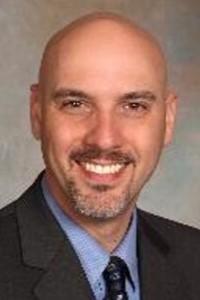
Damon Sloan
- Executive Director, Community Standards & Student Advocacy
- 708.235.2228
- dsloan@govst.edu
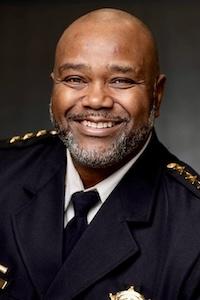
James McGee
- Director of Public Safety/ Chief of Police
- 708.534.4900
- jmcgee@govst.edu

Cesar Flores
- Associate Vice President Enrollment Management
- 708.235.7357
- cflores4@govst.edu
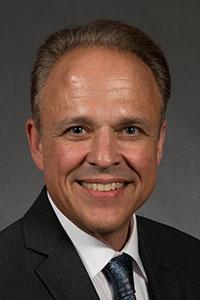
John Potempa
- Associate Vice President, Facilities Development & Management
- 708.534.4515
- jpotempa2@govst.edu
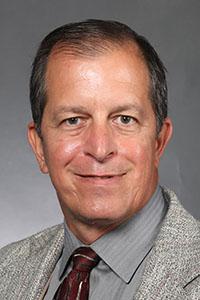
Charles Pustz
- Associate Vice President for Information Technology
- 708.235.2107
- cpustz@govst.edu

Erin Soto
- Executive Director at the Family Development Center
- 708.235.7336
- egutierrez@govst.edu

Dr. Kim Major Ford
- Interim Director, Counseling and Wellness Center
- Office Location
- 708.235.7153
- kmajor-ford@govst.edu

Tim Harrington
- Associate Provost / Associate Vice President for Academic Affairs
- 708.534.4361
- tharrington2@govst.edu

Sandra Marak
- Associate Vice President For Human Resources
- 708.534.4108
- smarak@govst.edu

Quiana Stone
- Director, Auxiliary Services And Housing
- 708.235.7114
- qstone@govst.edu