
Center for Teaching and Learning
Inclusive Teaching
Inclusive teaching in higher education cultivates a more engaged and dynamic learning community, preparing graduates not only for their professional lives but also for active and empathetic participation in an increasingly diverse and interconnected world.
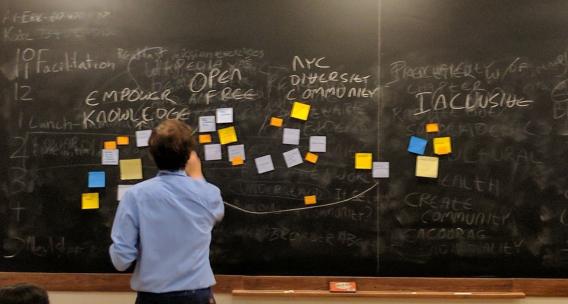
Building an Inclusive Classroom: Resources and Strategies for Higher Education
Inclusive teaching aims to provide each learner with equal access to learning and to ensure they feel respected and valued for their diverse abilities. An inclusive classroom is one in which every student is treated equitably. This can be accomplished by using methods, strategies, and materials that are diverse (related to race, ethnicity, gender, sexual orientation, culture, religion, mental and physical abilities, and socioeconomic status) and accessible (by limiting barriers to access for all students).
Below are a few tips and resources for creating a more inclusive classroom environment.
- Providing multiple means of representation: This can include providing materials in multiple formats (e.g., text, audio, video, and images), captioning videos, and providing transcripts for audio content.
- Providing multiple means of engagement: This can include providing opportunities for students to work in small groups, collaborate on projects, participate in discussions, and complete interactive activities.
- Providing multiple means of action and expression: This can include providing opportunities for students to demonstrate their understanding in a variety of ways, such as through written assignments, oral presentations, and online quizzes.
- Providing a welcoming and inclusive online environment: This can include creating a safe space for all students to participate, encouraging diverse perspectives, and actively working to create an environment where all students feel included and valued.
- Accessibility: Providing accessibility features such as keyboard navigation, high contrast, and text-to-speech to ensure that the content is accessible to all students, including those with disabilities.
- Flexibility: Offering flexible options for when, where, and how students complete assignments and assessments, such as online assignments, can accommodate different student preferences and time zones.
- Cultural sensitivity: Being aware of cultural differences and providing information and resources for international students to help them navigate the cultural differences and expectations of the online course.
Culturally Responsive Pedagogy:
Making Americans: Schooling, Diversity, and Assimilation in the Twenty-First Century
https://doi.org/10.7758/rsf.2018.4.5.05
Social Emotional Learning and Culturally Responsive and Sustaining Teaching Practices
https://www.jstor.org/stable/26841573
Tips for Professors: 8 Strategies to Foster Equity in the Classroom:
Equity is a crucial part of the academic experience for instructors and students. Professors must be able to adapt their lesson plans, assignments, and curriculum to fit each student’s learning style. Doing so will create an enriching environment for every learner and empower instructors to better understand students and accommodate their needs so students can reach academic and personal success.
Contact Us
- Center for Teaching and Learning
- Governors State University - C Building
- 708-534-4115
- blackboard@govst.edu