

About the Arboretum
The Arboretum at GovState was created on April 29, 2022, when GovState received Level 1 Accreditation through ArbNet, a registry program developed by the Morton Arboretum to set standards and encourage the planting and conservation of trees.
To achieve Level 1 accreditation, a program must have:
- An arboretum plan that defines its purpose and types of trees grown
- An organizational structure
- An arboretum collection of at least 25 labeled species of trees
- Arboretum staff or volunteers
- A public dimension such as an educational event each year
Goals
The Arboretum has three main goals:
1. Serve as a living laboratory, providing a dynamic and engaging learning environment for students of all ages that emphasizes both Western science and Traditional Ecological Knowledge (TEK).
2. Promote health and wellness by encouraging reciprocity and the mutual flourishing of all GovState constituents, including its people, plants, land, and animals.
3. Integrate sustainability, ecological stewardship, and environmental justice into our program planning.
Visitor Information
Hours: Open Dawn to Dusk
Location: 1 University Parkway, University Park, IL, 60484 (Directions to GovState)
General Information for Visitors:
- Parking is free in designated areas.
- Bathrooms are located inside the main campus building.
- Check the forecast before leaving. Sturdy shoes, pants, hats, sunglasses, bug spray, and sunscreen are recommended.
- Leave flowers, grasses, leaves, and seeds as you found them.
- Throw away or recycle all trash.
- Picnic tables are available from May through October on a patio overlooking the lake near the university's D-Wing.
- Alcoholic beverages and smoking are strictly prohibited.
- Do not climb sculptures – they are works of art, not playground structures. Many of the works have already spent nearly half a century outdoors and are quite fragile.
Accessibility Information
Trees located off the sidewalks around the main campus are wheelchair accessible.
Emergency Information
In case of emergency, Dial 911 and tell the operator you are located in the Sculpture Park.
Explore
- Lesson Plans
- Toddler Tree Themed Lesson Plans
- File
- Toddler Tree Themed Lesson Plans
- Story Walk
- Sculpture Park
- Meditation Walk
- File
Why meditate by a tree? Tree meditation is an easy way to calm stress and sharpen attention (both helpful for academic performance!). By sitting quietly with a tree and breathing slowly, we foster attunement with the steady presence of living nature. Through sustained practice over time, we can develop a mutual friendship with trees that result in greater habitat protection and reduced stress for humans and trees alike! Tree meditation is also relevant to social justice as we learn to relate across differences which become generative rather than harmful for collective care.
Trees
Explore the various kind of trees found in the Arboretum.
| Species Name | Ostrya virginiana |
| Common Name | American hophornbeam |
| Native To | E. North America |
| Hardiness Zones | 3–9 |
| Ecological Functions | Understory to mid-canopy; seeds eaten by small mammals and birds; durable wood; tolerates dry, rocky soils. (Missouri Botanical Garden) |
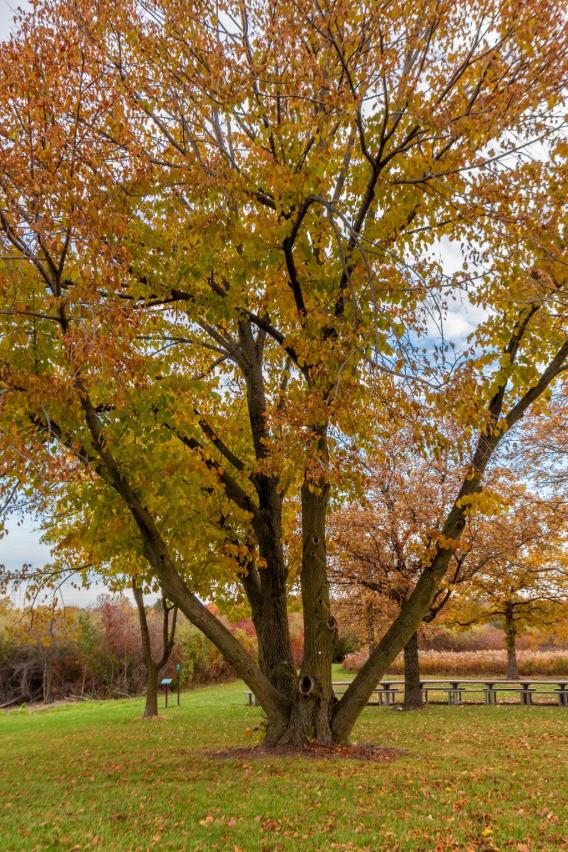
| Species Name | Tilia americana |
| Common Name | American linden |
| Native To | Central & eastern North America |
| Hardiness Zones | 2–8 |
| Ecological Functions | Superb bee tree (nectar for honey bees and native bees); large shade tree in mesic forests. (Missouri Botanical Garden) |
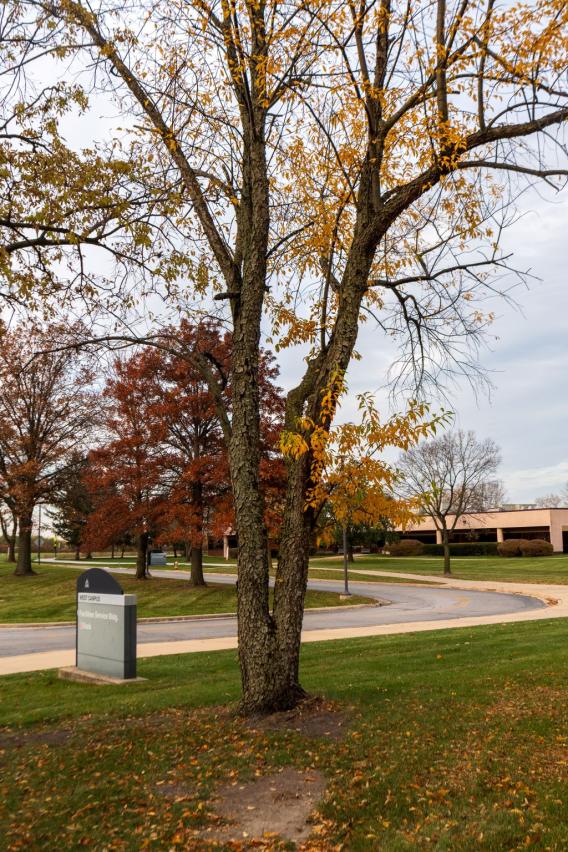
| Species Name | Prunus serotina |
| Common Name | Black cherry |
| Native To | Eastern & central North America |
| Hardiness Zones | 3–9 |
| Ecological Functions | High wildlife value. Fruit consumed by songbirds and mammals; host to numerous Lepidoptera species; cyanogenic leaves deter herbivory. |
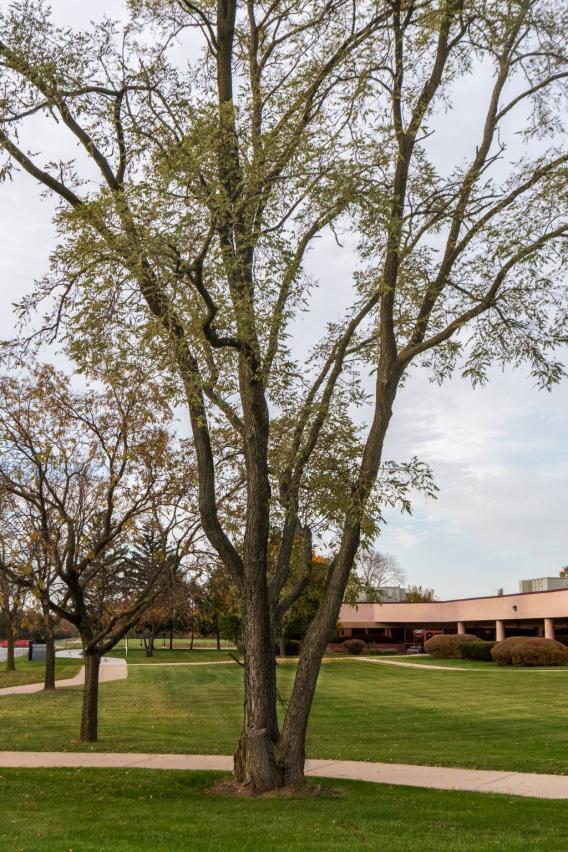
| Species Name | Robinia pseudoacacia |
| Common Name | Black locust |
| Native To | Eastern & central U.S. (originally Appalachian–Ozark region); widely naturalized |
| Hardiness Zones | 3–8 |
| Ecological Functions | Nitrogen-fixing pioneer tree; improves poor soils; flowers support pollinators (notably bees). Considered invasive or aggressively naturalized in Illinois and many other states outside its core native range; planting should be evaluated against local restoration guidelines. |
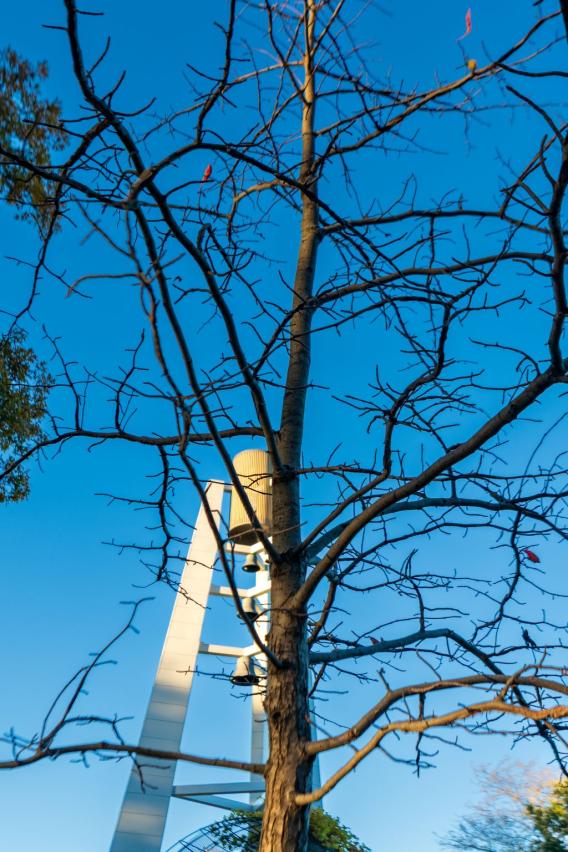
| Species Name | Nyssa sylvatica |
| Common Name | Blackgum |
| Native To | Eastern North America |
| Hardiness Zones | 4–9 |
| Ecological Functions | Spring nectar source for bees; fruits are critical fall food for migratory birds and mammals; hollow trunks provide nesting cavities. (Missouri Botanical Garden) |
| Species Name | Picea pungens |
| Common Name | Blue spruce |
| Native To | Rocky Mountains (U.S.) |
| Hardiness Zones | 2–7 |
| Ecological Functions | Cover and nesting in conifer stands; seeds taken by birds and small mammals. |
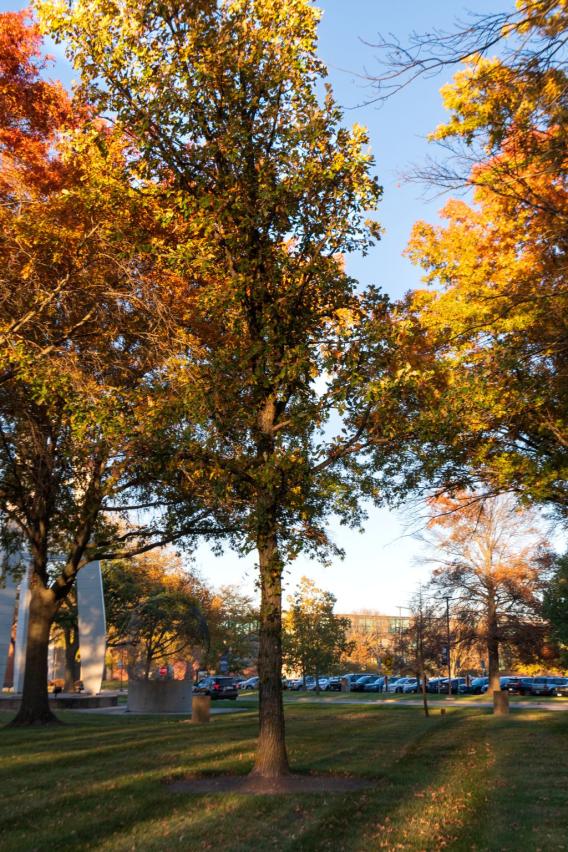
| Species Name | Quercus macrocarpa |
| Common Name | Bur oak |
| Native To | Eastern and central North America, especially the Great Plains and Great Lakes region |
| Hardiness Zones | 3–8 |
| Ecological Functions | Keystone wildlife mast; high Lepidoptera host value among North American trees; supports birds and mammals via acorns. (PMC) |
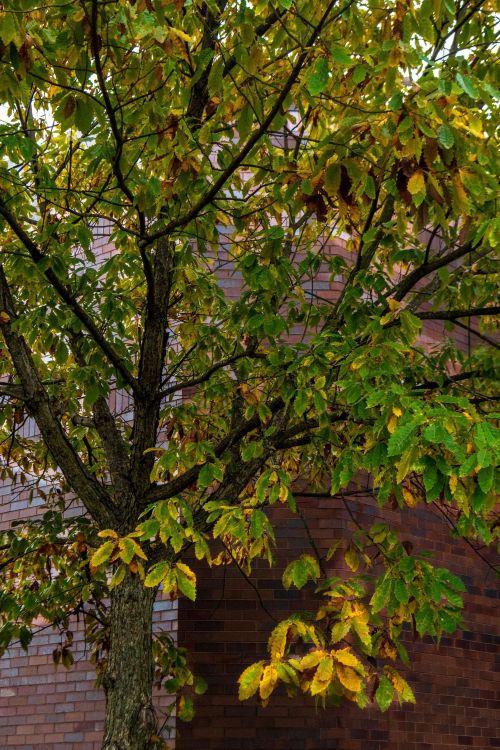
| Species Name | Quercus muehlenbergii |
| Common Name | Chinkapin oak |
| Native To | Central & eastern U.S. into Mexico |
| Hardiness Zones | 4–7 |
| Ecological Functions | Hard-mast (acorns) for birds and mammals; deep-rooted oak that supports diverse Lepidoptera guilds. (U.S. Forest Service) |
| Species Name | Taxodium distichum var. distichum |
| Common Name | Common baldcypress |
| Native To | Southeastern U.S. wetlands and lower Mississippi Valley. Native to the cypress swamps of far southern IL. |
| Hardiness Zones | 4–9 |
| Ecological Functions | Keystone wetland tree; stabilizes soils; tolerates flooding; provides cavity habitat and cover for birds and other wildlife. |
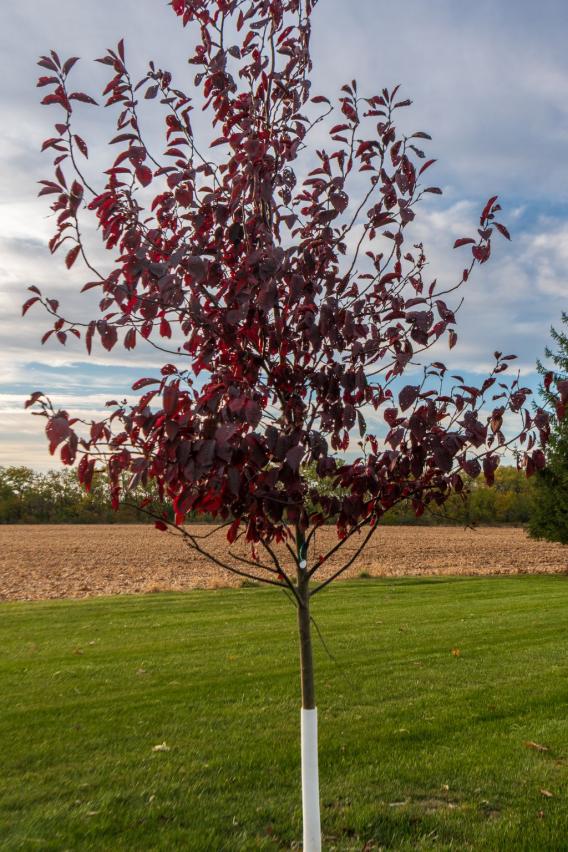
| Species Name | Prunus virginiana |
| Common Name | Common chokecherry |
| Native To | Most of North America |
| Hardiness Zones | 2–7 |
| Ecological Functions | Important wildlife food (fruit for birds and mammals); early flowers for pollinators; forms thickets providing cover and nesting habitat. (USDA Plants Database) |
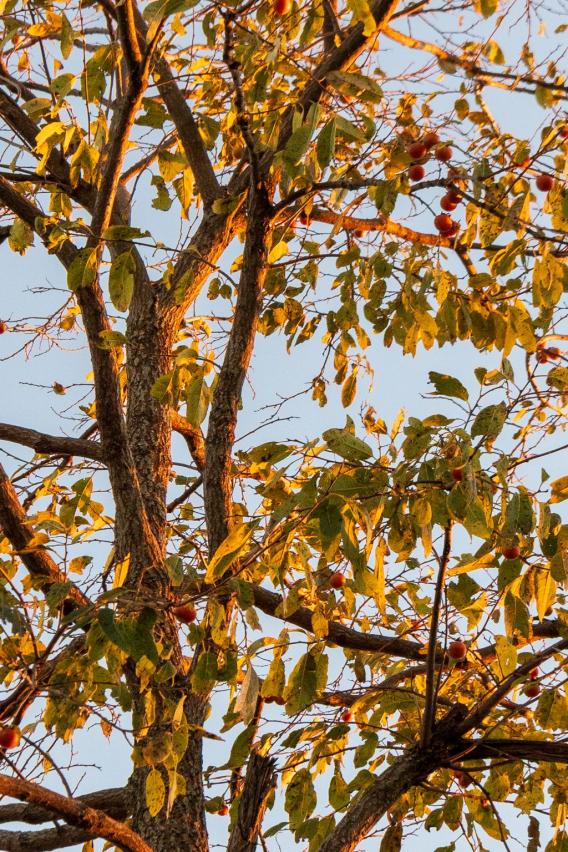
| Species Name | Diospyros virginiana |
| Common Name | Common persimmon |
| Native To | E. & central North America |
| Hardiness Zones | 4–9 |
| Ecological Functions | Fruits feed birds and mammals; nectar source for bees; deep taproot aids erosion control; larval host for several moth species. (USDA Plants Database) |
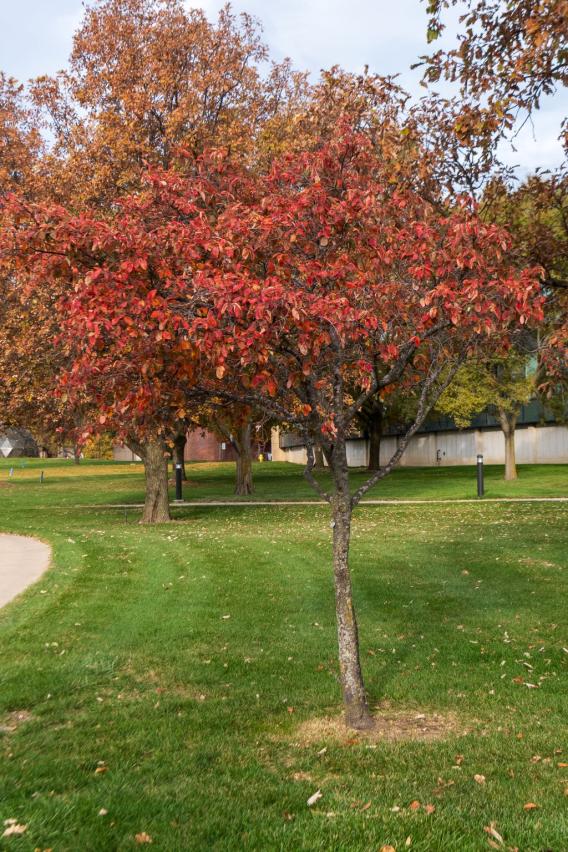
| Species Name | Amelanchier arborea |
| Common Name | Downy serviceberry |
| Native To | Eastern North America |
| Hardiness Zones | 4–9 |
| Ecological Functions | Very early spring bloom for pollinators; fruits eaten by many birds and mammals; browsed by deer; common in open woods and slopes. (U.S. Forest Service) |
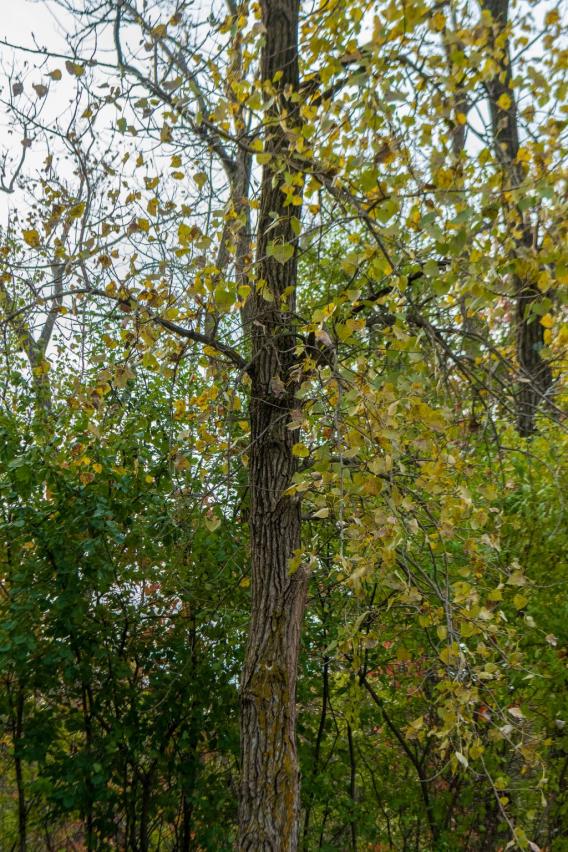
| Species Name | Populus deltoides |
| Common Name | Eastern cottonwood |
| Native To | Central & E. North America |
| Hardiness Zones | 3–9 |
| Ecological Functions | Fast-growing riparian tree; major streambank stabilizer and early-successional colonizer; cavities and browse for wildlife; supports many insect herbivores. (Missouri Botanical Garden) |
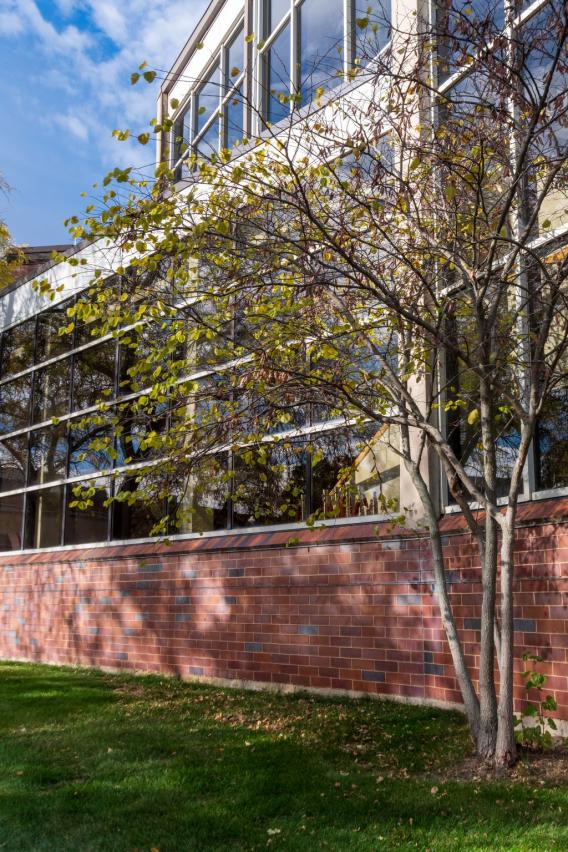
| Species Name | Cercis canadensis |
| Common Name | Eastern redbud |
| Native To | Eastern North America |
| Hardiness Zones | 4–8 |
| Ecological Functions | Early-spring nectar and pollen resource; seeds and buds eaten by songbirds; browsed by deer. (Missouri Botanical Garden) |
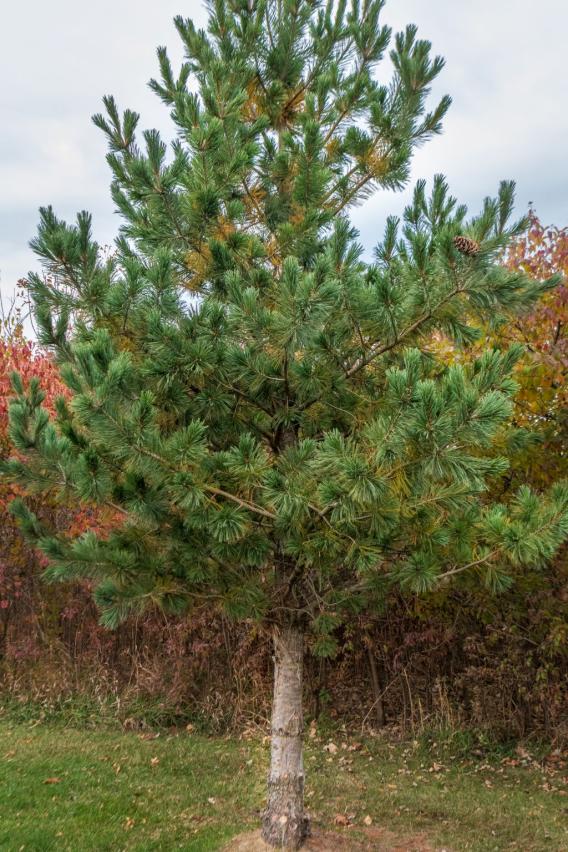
| Species Name | Pinus strobus |
| Common Name | Eastern white pine |
| Native To | Eastern North America (native to northeastern Illinois and scattered northern counties in IL) |
| Hardiness Zones | 3–8 |
| Ecological Functions | Seeds are a critical food source for red crossbills, white-winged crossbills, chickadees, nuthatches, and squirrels; long flexible needles provide dense nesting and roosting cover; porcupines consume the inner bark; pioneer species in post-disturbance and abandoned-field succession; host to numerous Lepidoptera species. |
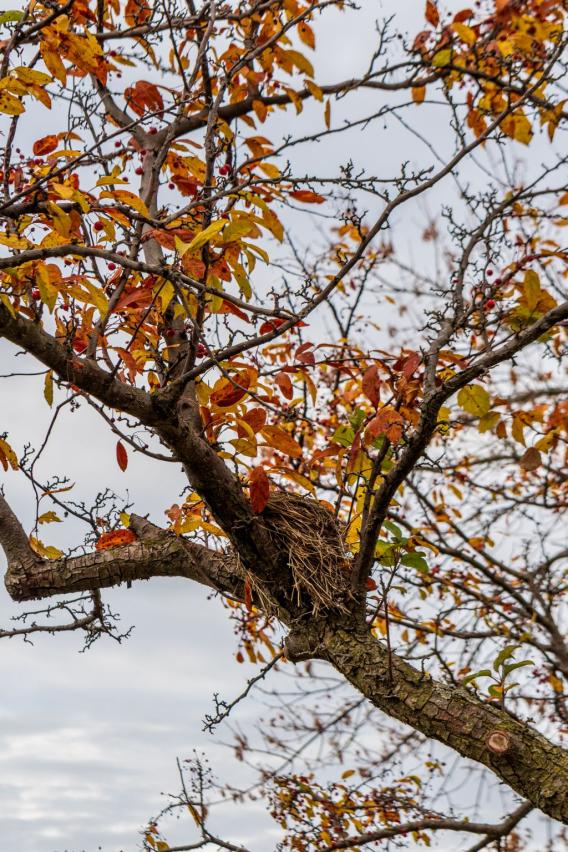
| Species Name | Malus spp. (ornamental cultivars) |
| Common Name | Flowering crabapple |
| Native To | Varies by species; many ornamentals are of Asian origin; native N. American crabapples include M. coronaria and M. ioensis. Ornamental hybrid cultivars of Asian origin have lower ecological value for native wildlife. |
| Hardiness Zones | 4–8 (typical) |
| Ecological Functions | Early spring nectar and pollen for pollinators; small pomes widely eaten by birds and mammals; excellent urban wildlife value. (Missouri Botanical Garden) |
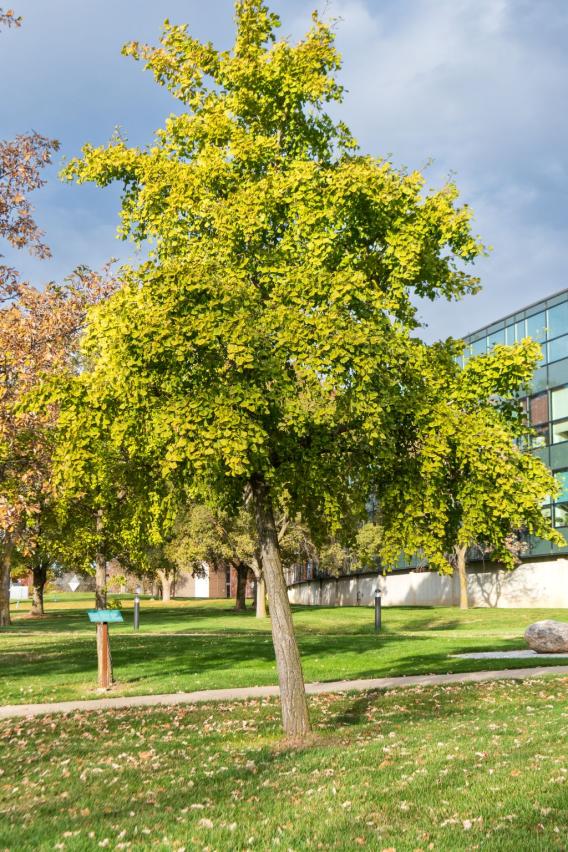
| Species Name | Ginkgo biloba |
| Common Name | Ginkgo |
| Native To | China (cultivated worldwide) |
| Hardiness Zones | 3–8 |
| Ecological Functions | Urban-tolerant street tree; dioecious; relatively low host value for native Lepidoptera compared to native woody genera in U.S. landscapes. ancient relict species. Female trees produce malodorous fruit. Ecologically limited value for native wildlife relative to native tree genera.(PubMed) |
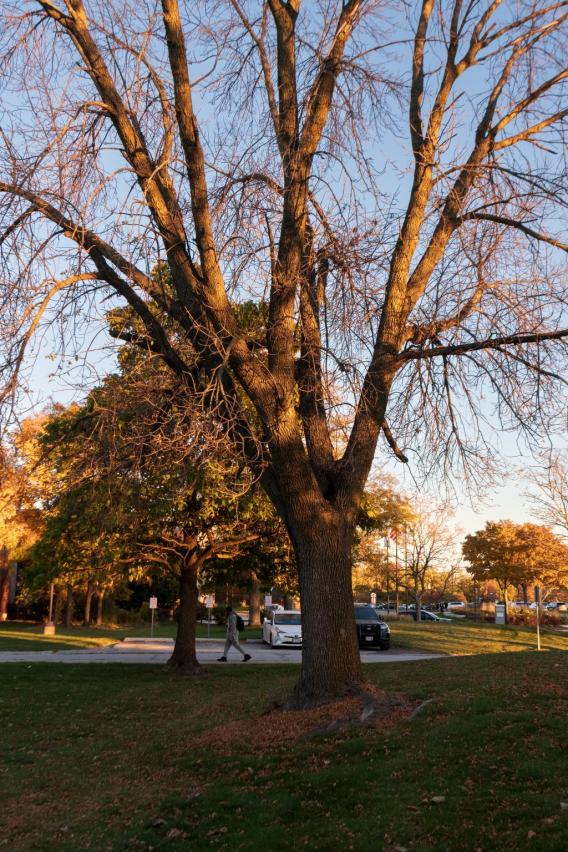
| Species Name | Fraxinus pennsylvanica |
| Common Name | Green ash |
| Native To | Widespread across Canada and the eastern/central U.S. |
| Hardiness Zones | 3–9 |
| Ecological Functions | Seeds feed many birds and small mammals; important in floodplain food webs. Green ash has been catastrophically decimated across its native range by Emerald Ash Borer (Agrilus planipennis; Planting new ash trees is currently discouraged in many Illinois restoration contexts. EAB) |
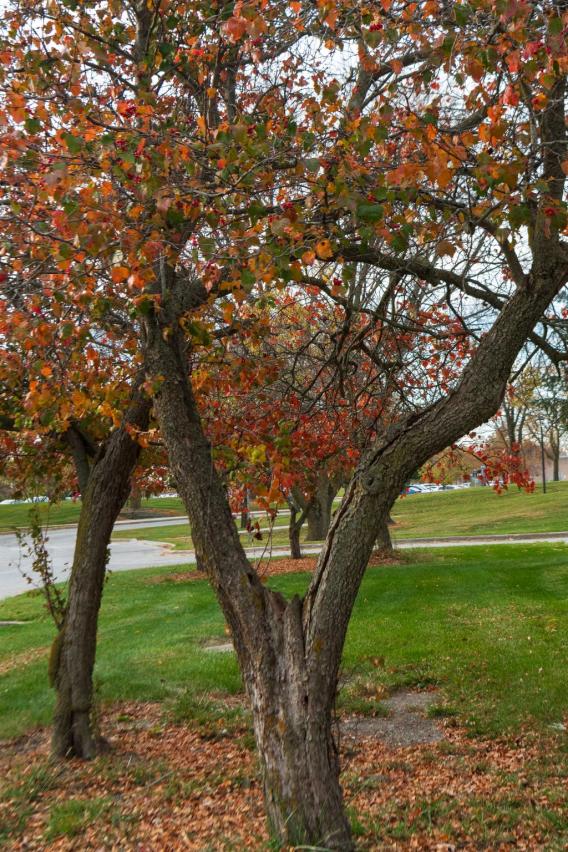
| Species Name | Crataegus spp. (e.g., C. crus-galli, C. phaenopyrum) |
| Common Name | Hawthorn spp. |
| Native To | Northern temperate regions; many species native to North America |
| Hardiness Zones | Varies by species (typically 3–8; e.g., C. crus-galli 3–7; C. phaenopyrum 4–8) |
| Ecological Functions | Early nectar and pollen; persistent fruit for birds; thorny cover; supports diverse insects relative to many ornamentals. (Missouri Botanical Garden) |
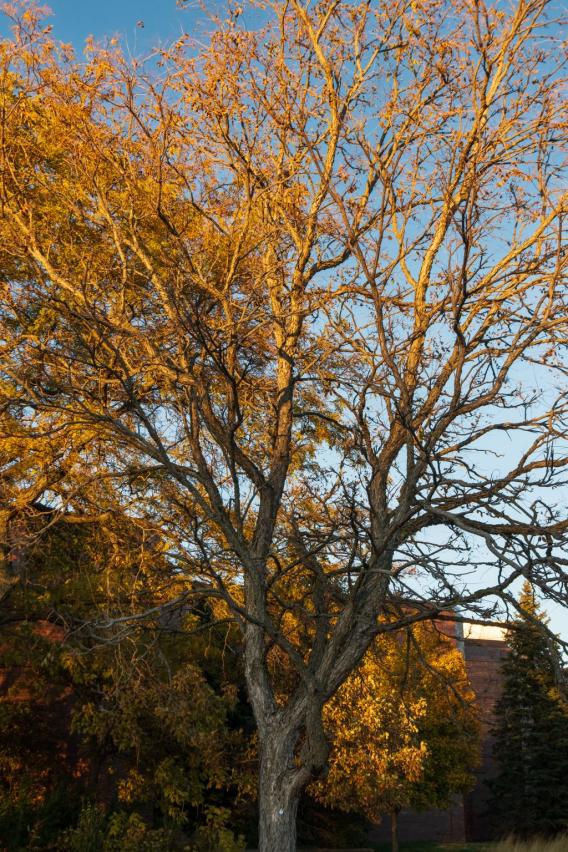
| Species Name | Gymnocladus dioicus |
| Common Name | Kentucky coffeetree |
| Native To | Central U.S. (Midwest and Upper South) |
| Hardiness Zones | 3–8 |
| Ecological Functions | Tough, urban-tolerant canopy tree; large pods persist into winter providing structure and cover; seeds historically dispersed by now-extinct Pleistocene megafauna (ecological anachronism); state-listed as rare in several states. |
| Species Name | Catalpa speciosa |
| Common Name | Northern catalpa |
| Native To | Midwestern and lower Mississippi Valley, United States |
| Hardiness Zones | 4–7 |
| Ecological Functions | Sole native host plant for the catalpa sphinx moth (Ceratomia catalpae), whose larvae are an important prey resource; showy flowers support pollinators. (PubMed) |
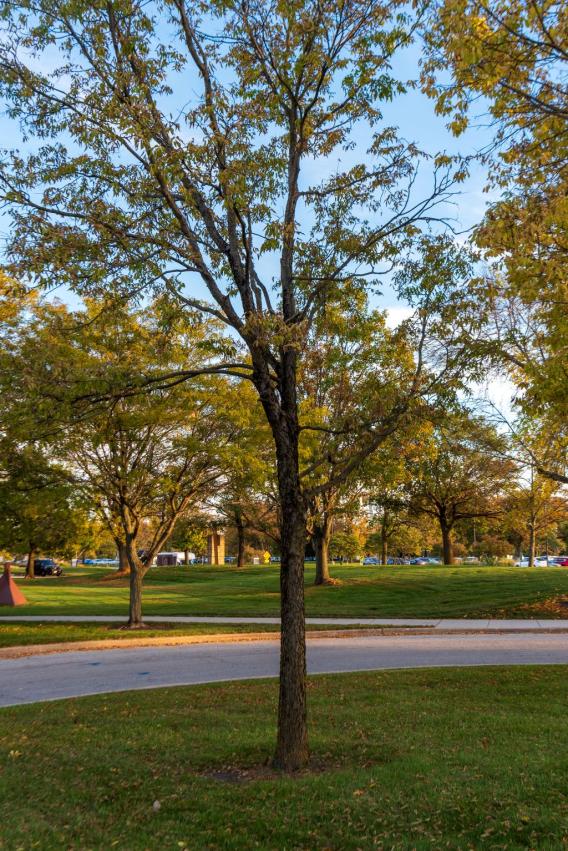
| Species Name | Celtis occidentalis |
| Common Name | Northern hackberry |
| Native To | Central & eastern North America |
| Hardiness Zones | 2–9 |
| Ecological Functions | Host plant for hackberry emperor butterfly (Asterocampa celtis) and other butterfly species; fruits feed many bird species; excellent urban tolerance. |
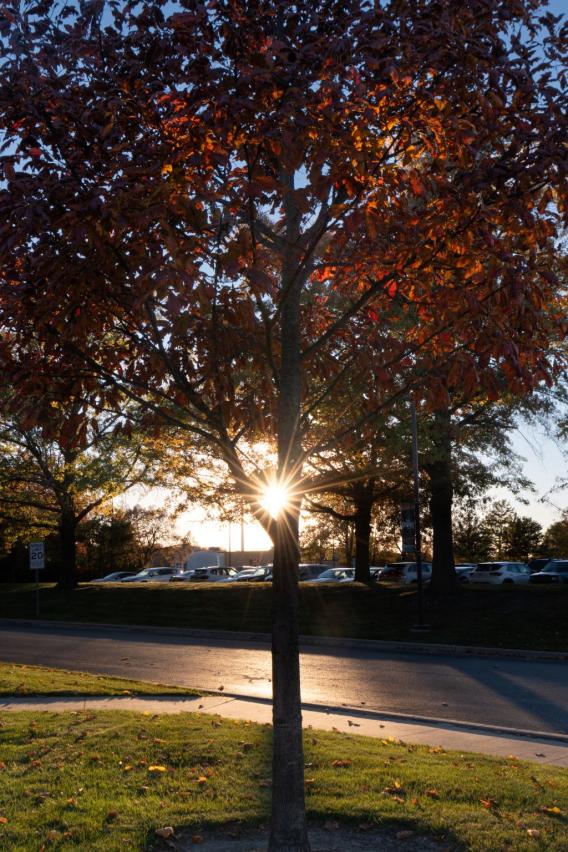
| Species Name | Quercus rubra |
| Common Name | Northern red oak |
| Native To | Eastern and central North America |
| Hardiness Zones | 3–8 |
| Ecological Functions | Major wildlife mast producer; very high Lepidoptera host value relative to many other tree genera; supports food webs for birds and other fauna. (PMC) |
| Species Name | Maclura pomifera |
| Common Name | Osage-orange |
| Native To | Native to a narrow band of south-central U.S. (Red River drainage of OK/TX; Ouachita Mountain and Arkansas River Valley region); now widely naturalized |
| Hardiness Zones | 4–9 |
| Ecological Functions | Dense, thorny cover for wildlife; large fruits ('hedge apples'); historically used in living hedges and windbreaks; fruit often cited as a Pleistocene anachronism. (U.S. Forest Service) |
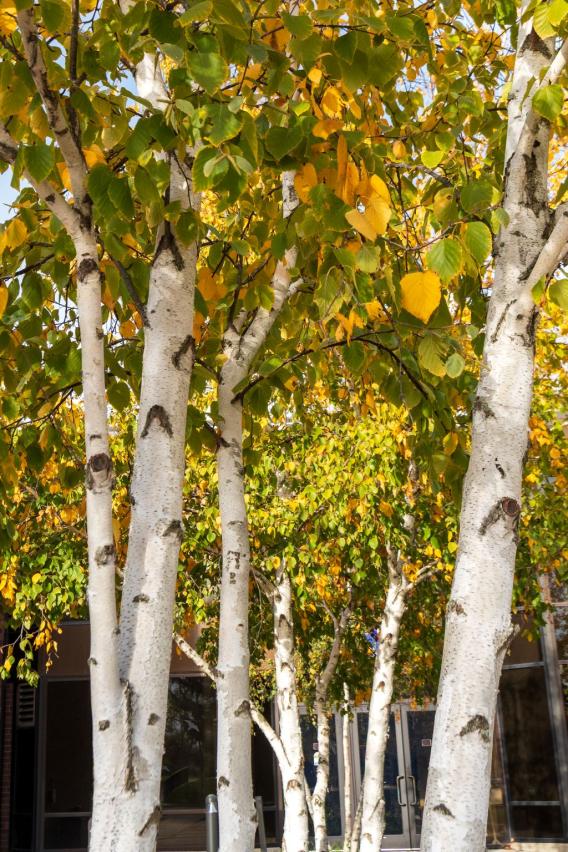
| Species Name | Betula papyrifera |
| Common Name | Paper birch |
| Native To | Boreal & northern North America |
| Hardiness Zones | 2–7 |
| Ecological Functions | Early-successional pioneer; bark resists decay; seeds important to birds; valuable in post-disturbance recovery. (U.S. Forest Service) |
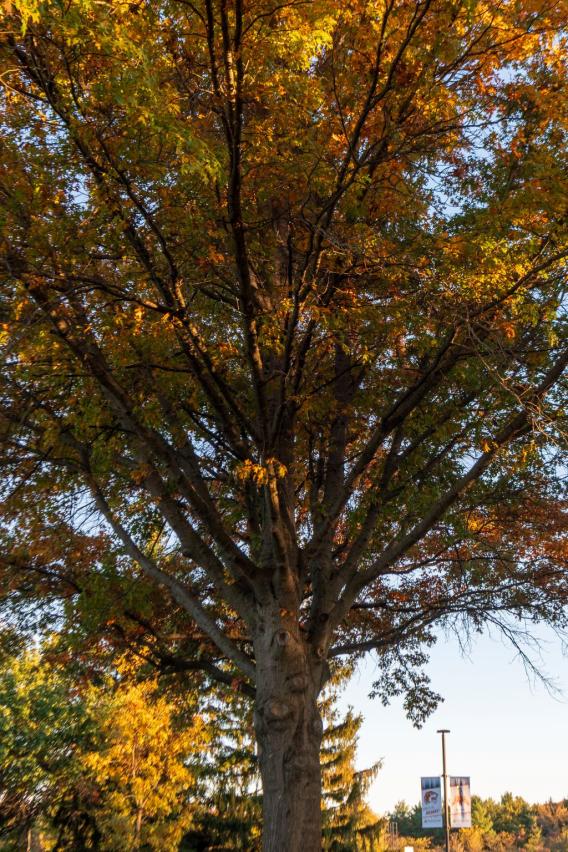
| Species Name | Quercus palustris |
| Common Name | Pin oak |
| Native To | Eastern North America |
| Hardiness Zones | 4–8 |
| Ecological Functions | Heavy acorn production feeding deer, squirrels, wild turkey, wood ducks, and mallards; especially valuable in bottomland floodplain systems used by migrating waterfowl. (U.S. Forest Service) |
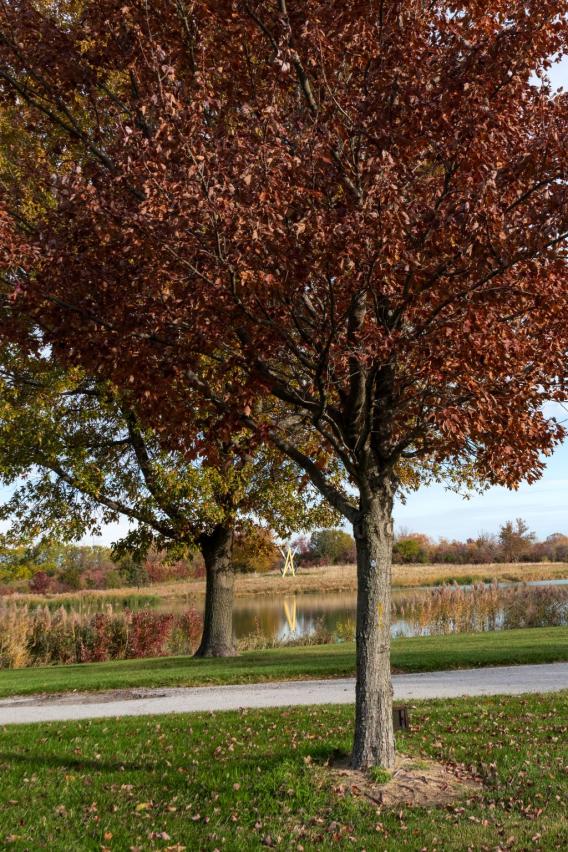
| Species Name | Acer rubrum |
| Common Name | Red maple |
| Native To | Eastern North America |
| Hardiness Zones | 3–9 |
| Ecological Functions | Very early bloom—important nectar and pollen source; tolerates broad soil moisture range (wet to dry); seeds and buds consumed by birds and small mammals; supports diverse Lepidoptera guilds; critical component of eastern North American deciduous forests. |
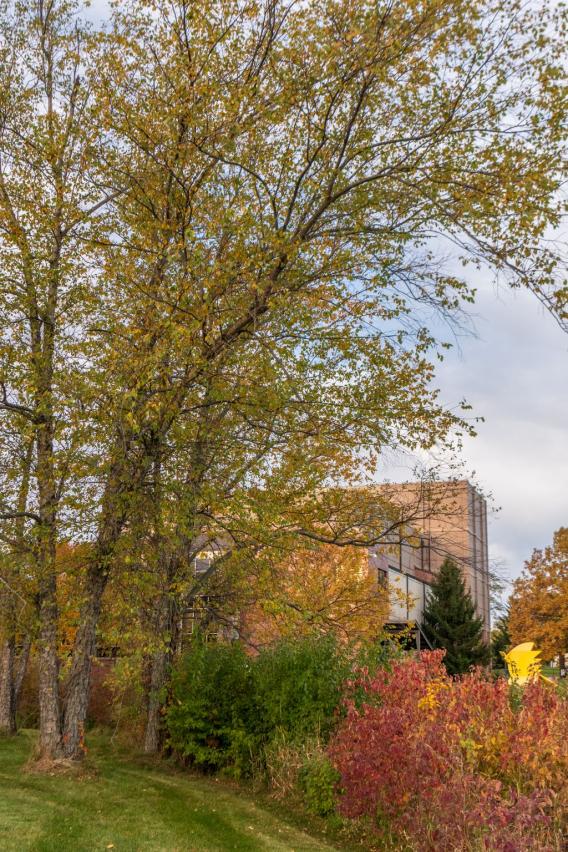
| Species Name | Betula nigra |
| Common Name | River birch |
| Native To | Eastern U.S. (riparian) |
| Hardiness Zones | 4–9 |
| Ecological Functions | Excellent streambank stabilizer; fast-growing riparian tree; seeds feed birds and small mammals. (Missouri Botanical Garden) |
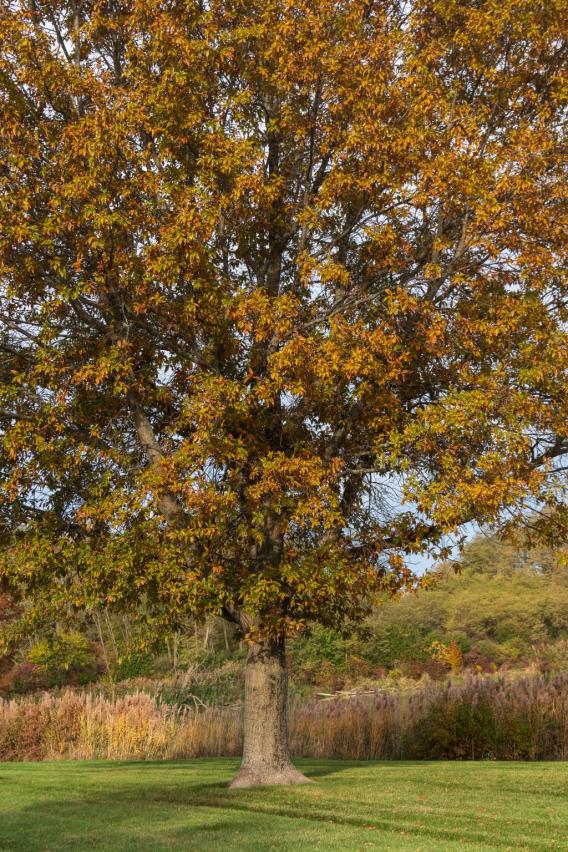
| Species Name | Quercus imbricaria |
| Common Name | Shingle oak |
| Native To | Central & eastern U.S. |
| Hardiness Zones | 5–8 |
| Ecological Functions | Hard-mast (acorns) for wildlife; adaptable upland/terrace oak within the red-oak group. (U.S. Forest Service) |
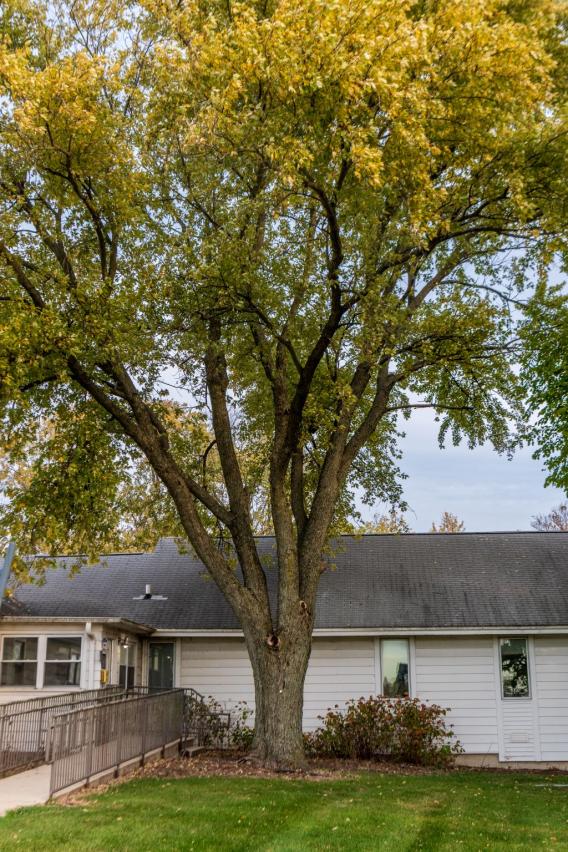
| Species Name | Acer saccharinum |
| Common Name | Silver maple |
| Native To | E. & central North America |
| Hardiness Zones | 3–9 |
| Ecological Functions | Early-successional riparian hardwood; early flowers for pollinators; seeds and buds taken by wildlife; stabilizes floodplains. (U.S. Forest Service) |
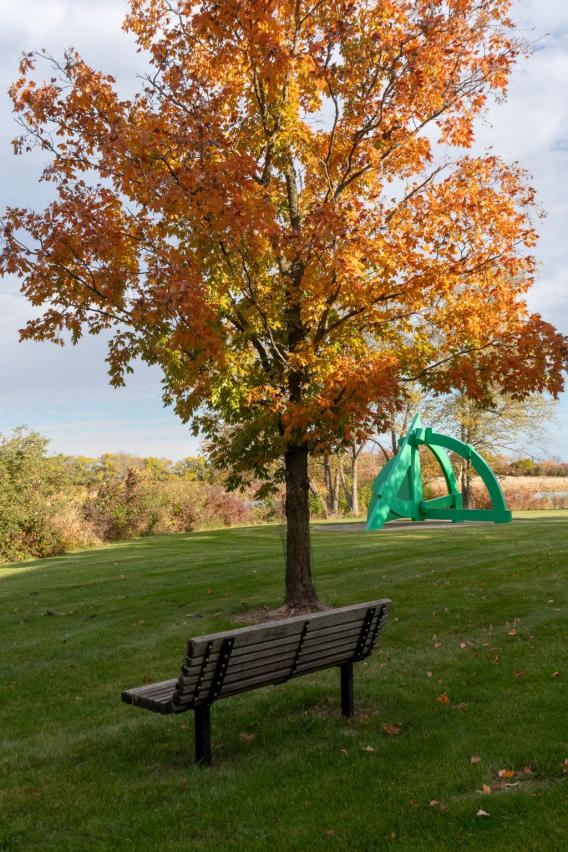
| Species Name | Acer saccharum |
| Common Name | Sugar maple |
| Native To | Northeastern & north-central North America |
| Hardiness Zones | 3–8 |
| Ecological Functions | Long-lived, shade-tolerant canopy tree; samaras (winged seeds) consumed by wildlife; key component of late-successional forests. (U.S. Forest Service) |
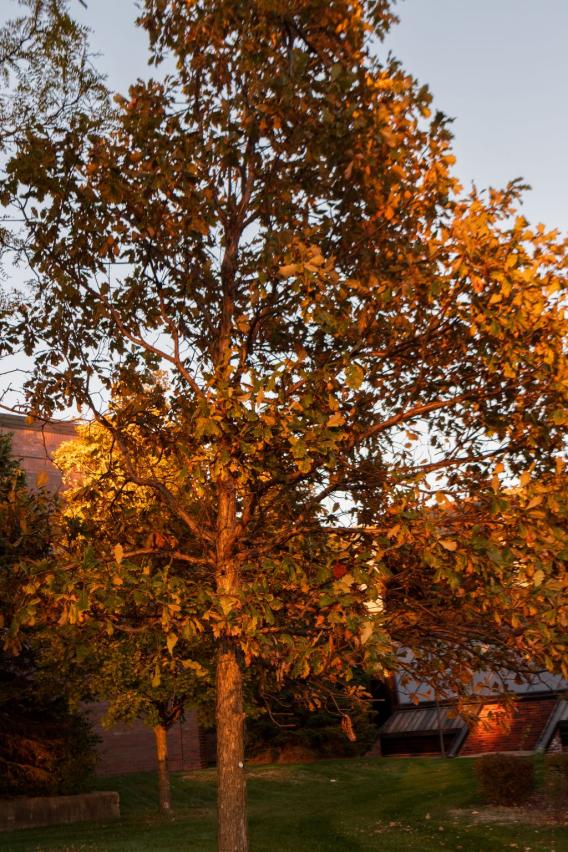
| Species Name | Quercus bicolor |
| Common Name | Swamp white oak |
| Native To | Northeastern and north-central North America, floodplains and swamp margins |
| Hardiness Zones | 4–8 |
| Ecological Functions | Acorns are especially important to waterfowl and many mammals; provides cavity habitat; supports many Lepidoptera; thrives on wet soils for stormwater biodiversity value. (USFS Research & Development) |
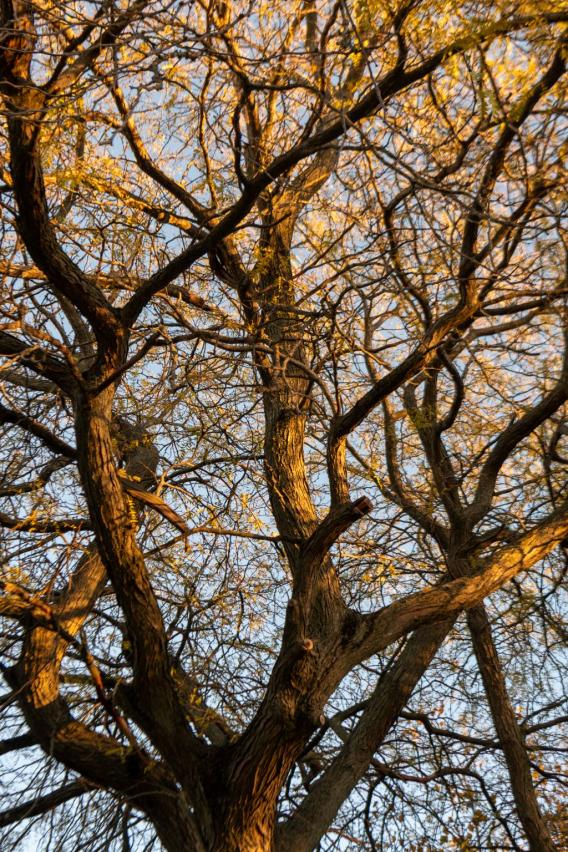
| Species Name | Gleditsia triacanthos f. inermis |
| Common Name | Thornless honeylocust |
| Native To | Central and eastern North America |
| Hardiness Zones | 3–8 |
| Ecological Functions | Flowers feed pollinators; pods feed wildlife and livestock in winter; nitrogen-friendly legume litter accelerates nutrient cycling. (Feedipedia) |
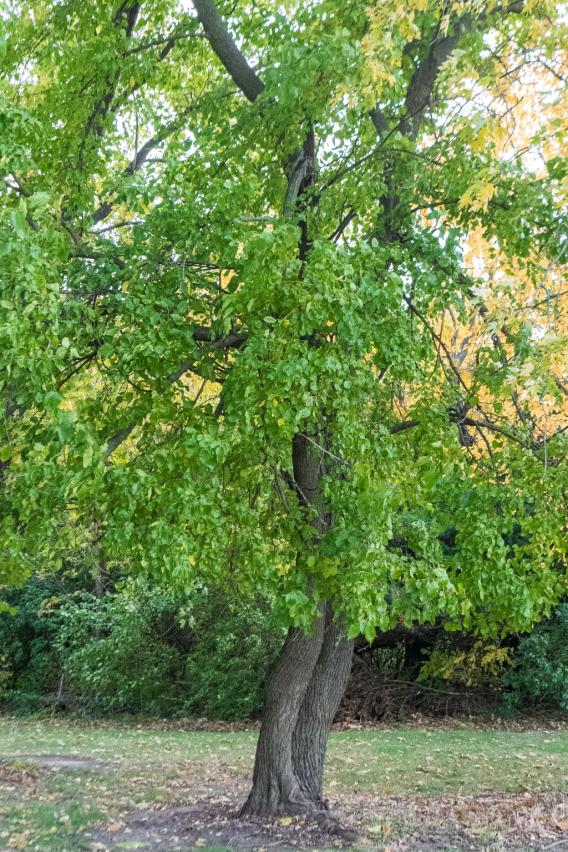
| Species Name | Morus alba |
| Common Name | White mulberry |
| Native To | E. Asia (introduced; invasive in many areas) |
| Hardiness Zones | 4–8 |
| Ecological Functions | Fruit (soft mast) heavily used by birds and mammals (facilitating spread); hybridizes with native M. rubra; urban-tolerant. (NAEB) |
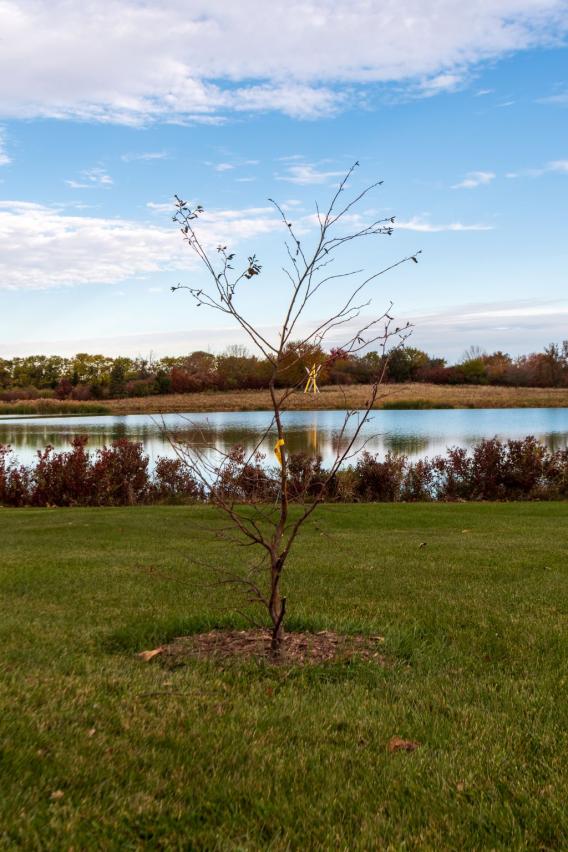
| Species Name | Betula alleghaniensis |
| Common Name | Yellow birch |
| Native To | Eastern North America (northern and montane) |
| Hardiness Zones | 3–7 |
| Ecological Functions | Seeds support birds and small mammals; larval host for various moth species; cool-forest keystone birch. (Missouri Botanical Garden) |
News
Building upon GovState's arboretum accreditation
December 9, 2025